
Last updated November 14, 2026
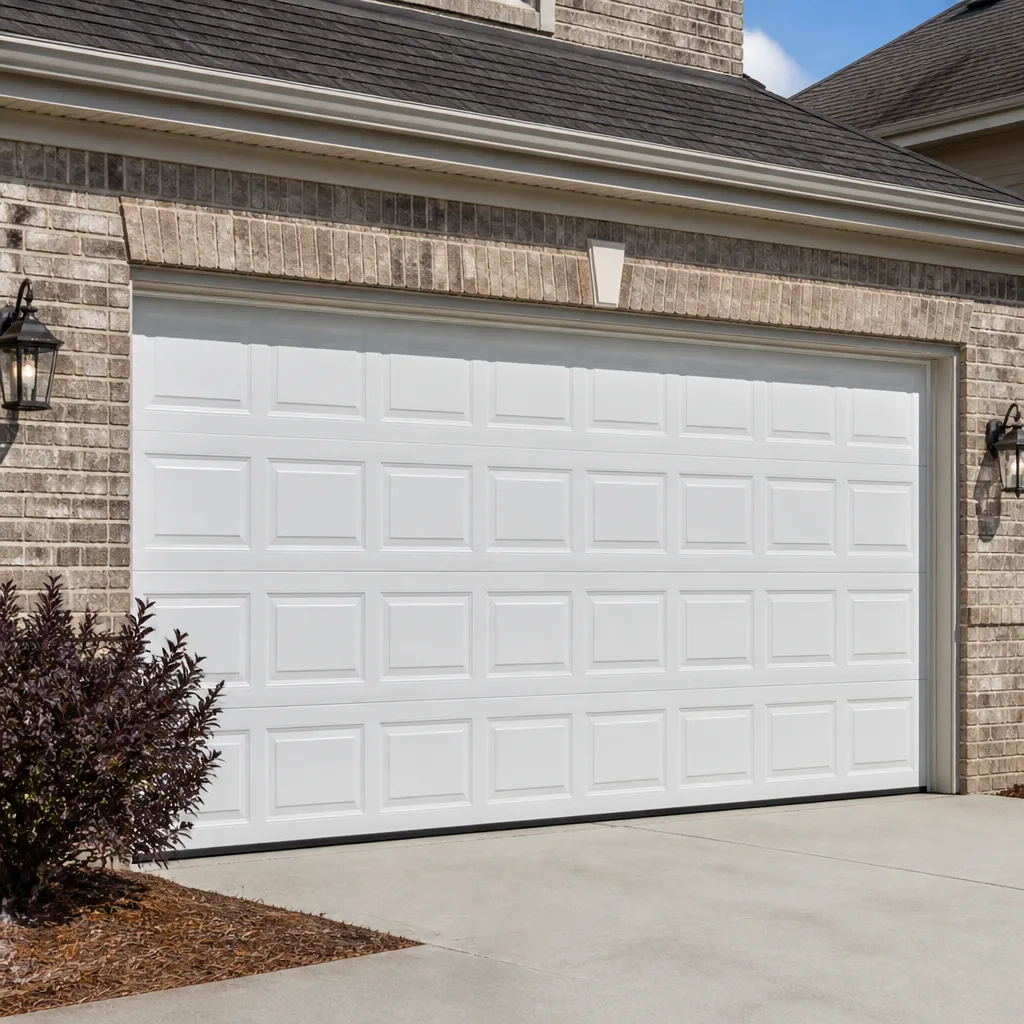 Raised-panel steel
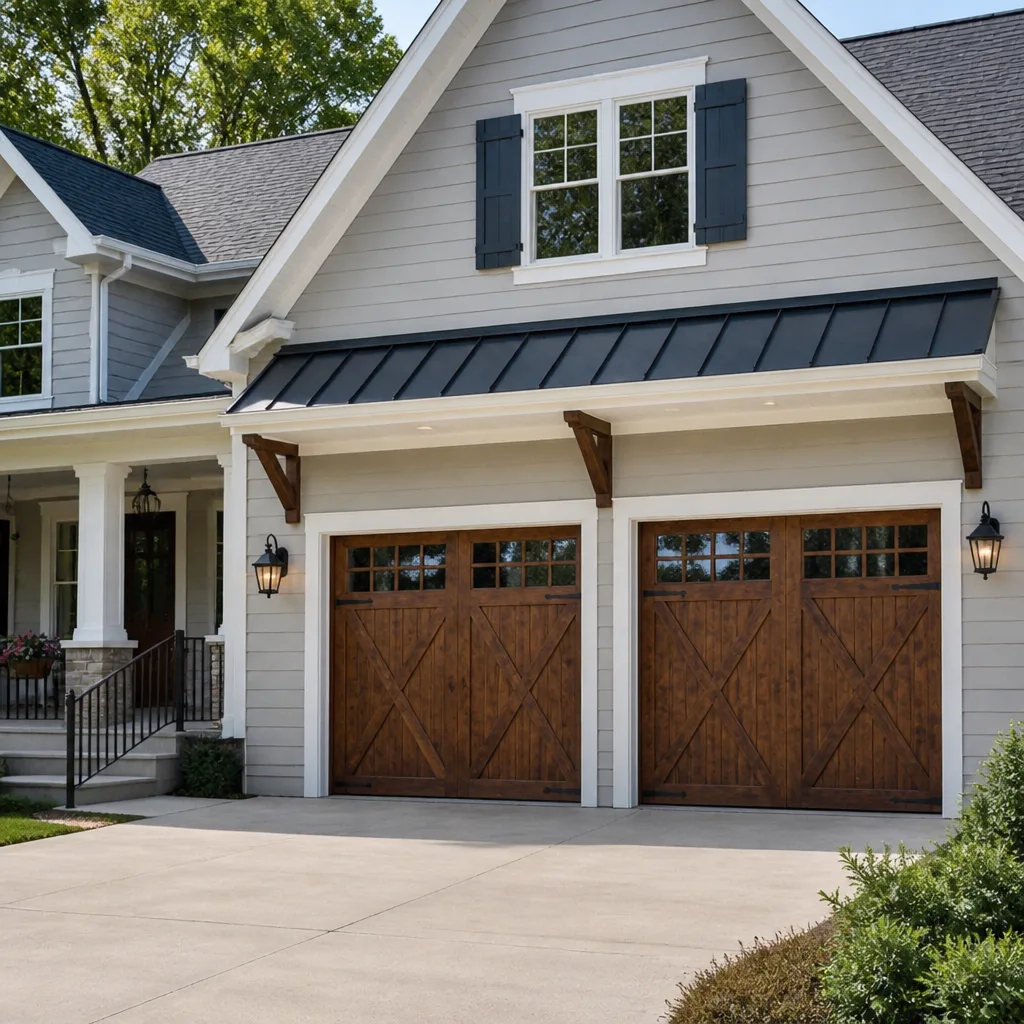 Carriage house
 Modern flush
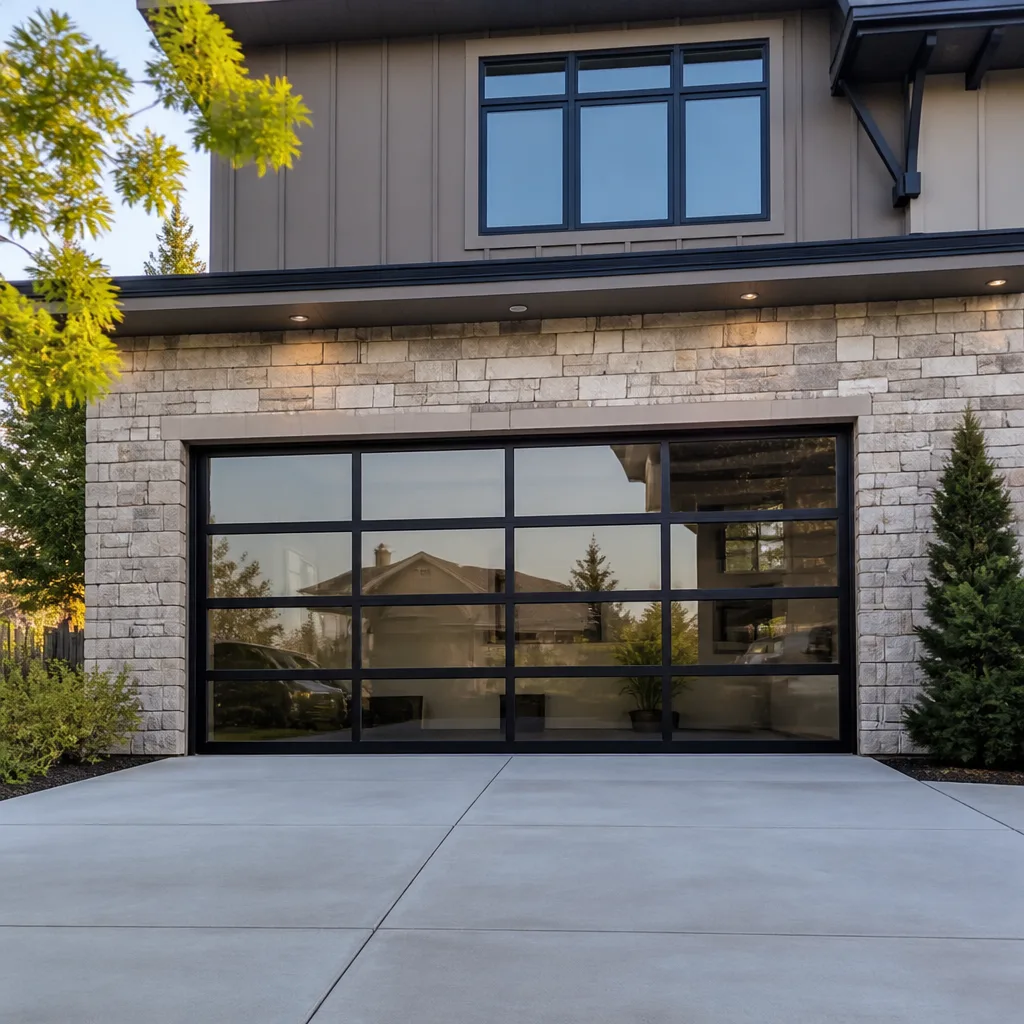 Full-view glass
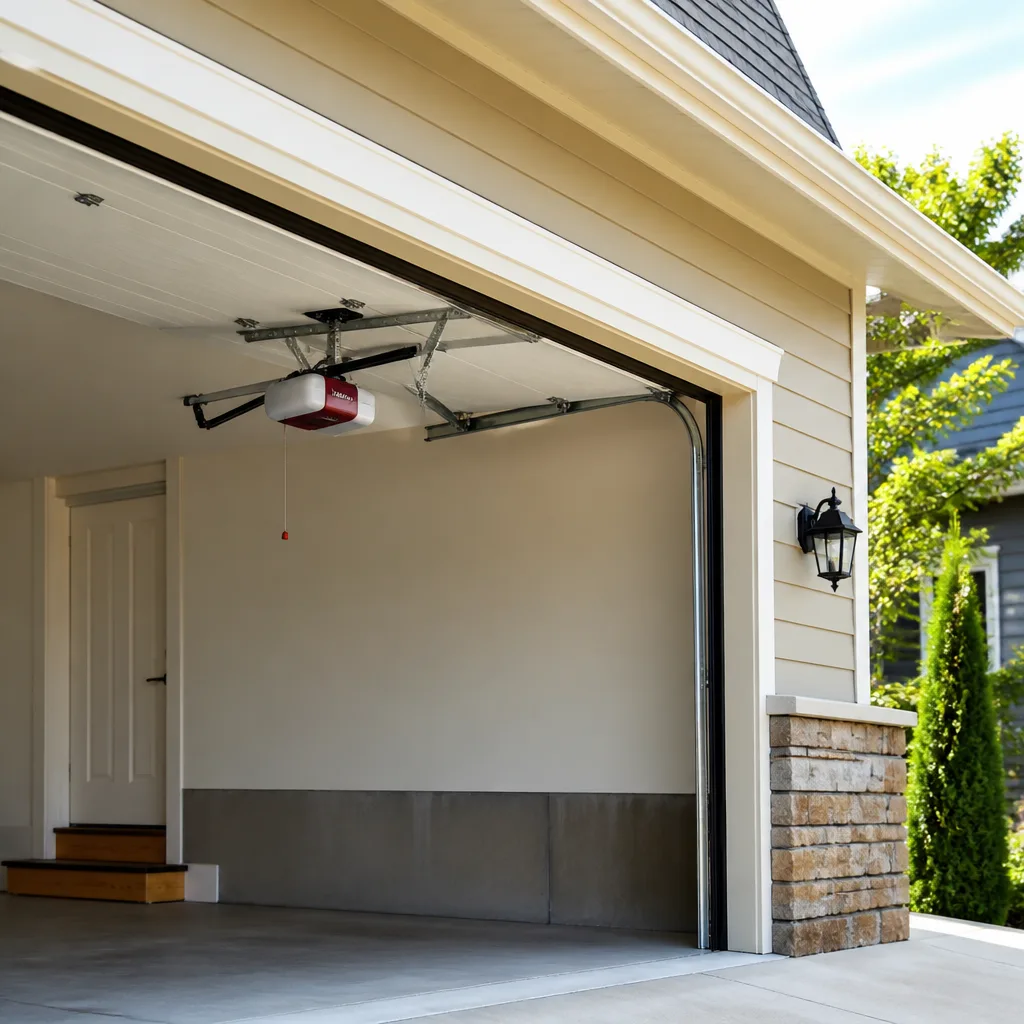 LiftMaster openers
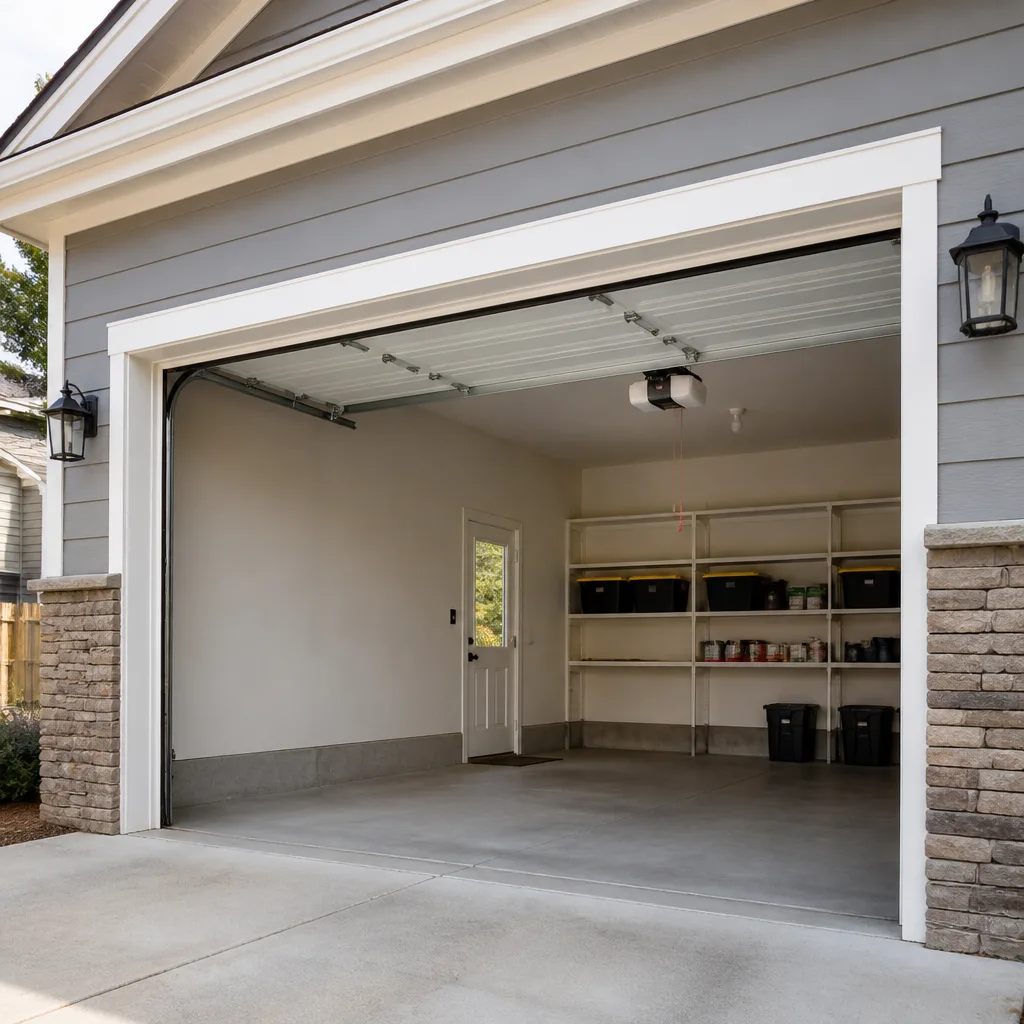 Chamberlain openers
Full 25-point door and opener safety check with every visit - springs, cables, rollers, tracks, and your LiftMaster or Chamberlain opener included
You get a price before we start. It does not change when the truck arrives.
Get your free estimateChoosing the Right Garage Door Brand: A Buyer’s Guide for West Jordan
Here’s something most garage door shopping guides won’t tell you: LiftMaster and Chamberlain openers come off the same parent company’s production line, and Clopay builds doors that get sold under several different nameplates depending on which retailer you walk into. That changes the whole conversation. Brand loyalty, in this trade, is often loyalty to a logo on parts that are nearly identical underneath. What actually matters is product tier, steel gauge, insulation construction, and whether the shop you call can get the right parts for what you already own. In this guide, we’ll walk through what genuinely differs between the major door and opener brands, how to match a tier to your home and how often you use the door, and why a multi-brand shop in West Jordan tends to give you straighter answers than a single-brand dealer.
Quick Answer
For most West Jordan homeowners, the “best” garage door brand depends less on the name than on the product tier and local parts support. For doors, Clopay, Amarr, Wayne Dalton, and CHI all make solid steel doors across economy, mid-grade, and premium tiers, and steel gauge, insulation construction, and finish durability separate them far more than the label does. For openers, LiftMaster, Chamberlain, Genie, and Craftsman are all serviceable in the Salt Lake Valley, and the deciding factors are parts availability and whether the unit matches how often you actually open the door. A brand-agnostic shop that works on all eight major brands, including Raynor and LiftMaster, will tell you what fits your situation rather than what it happens to stock.
Styles & brands we work with
- Raised-panel steel
- Carriage house
- Modern flush
- Full-view glass
- LiftMaster openers
- Chamberlain openers
Table of Contents
- Why the Brand Name Isn’t the Whole Story
- Door Brands Compared: Steel, Insulation, and Finish
- Opener Brands Compared: Parts, Smart Home, and Service
- Matching Brand Tier to Your Home and Use Case
- The Parts Availability Reality Check
- Why a Multi-Brand Specialist’s Opinion Is Worth More
- Questions to Ask Before You Choose a Shop
- Common Mistakes to Avoid
Why the Brand Name Isn’t the Whole Story
The garage door industry doesn’t work the way most homeowners assume. A handful of manufacturers build the doors and openers sold under many different labels. LiftMaster and Chamberlain, for instance, share the same parent company, which means an opener carrying either name often uses interchangeable logic boards, remotes, and safety sensors. Clopay builds doors sold under its own name and under private labels at different retailers, sometimes with noticeably different specifications on the same visual design.
This isn’t a scandal. It’s just how the supply chain works, and understanding it gives you real leverage as a buyer. When you know a Chamberlain opener and a LiftMaster opener may share a lot under the hood, a sales pitch about one brand being “better engineered” loses its weight. When you know a Clopay door at one retailer may have a lighter steel gauge than the same model number at another, you know to check the spec sheet, not the logo.
In West Jordan, where most homes are attached garages facing the street, the door is a big part of the house’s curb appeal and its energy envelope at once. That makes the tier question matter twice: you want the finish to hold up against Wasatch Front sun and hard freezes, and you want the insulation to actually do its job on the cold side of the wall. Neither of those depends on which badge is bolted to the panel. They depend on what the door is made of.
Door Brands Compared: Steel, Insulation, and Finish
When we evaluate a garage door here at Northbridge Garage Door Repair, we look at four things: steel thickness, insulation construction, finish durability, and how easy it is to source replacement parts down the road. Brand marketing rarely tells you those things in plain terms. Here’s what actually separates the major door lines you’ll see in Salt Lake Valley homes.
Steel gauge
Residential steel doors are commonly built with 24-, 25-, or 27-gauge steel skins. Lower gauges mean thicker steel. A 24-gauge door dents less from a stray basketball and holds its shape better over time than a 27-gauge economy door. Most manufacturers offer the same visual design in multiple gauges, so two doors can look identical at the showroom and perform very differently after ten winters.
Insulation construction
This is where the biggest functional gap sits. There are three common build styles:
- Non-insulated steel: a single steel skin with no core. Light, cheap, and loud. Fine for a detached shed or a rarely used storage door, but a poor fit for an attached garage in West Jordan’s cold snaps.
- Polystyrene-insulated: a paneled foam core glued in. Better than nothing, but the insulation isn’t bonded to the skins, so the door is weaker structurally than it looks.
- Polyurethane-insulated, bonded: foam injected and bonded between two steel skins. The stiffest and quietest of the three, and the one to look at if the garage shares a wall with living space.
Clopay, Amarr, and Wayne Dalton each sell doors across all three categories. The tier matters more than the badge.
Finish durability
Utah’s high-altitude sun is hard on paint. A factory-baked finish will last far longer than a field-painted door, and some brands offer deeper color palettes than others. If you’re matching a specific exterior color on a West Jordan home, ask for the manufacturer’s finish warranty wording in writing, and check whether the color you want comes in the build tier you need or only in the top tier.
Opener Brands Compared: Parts, Smart Home, and Service
Openers are the piece of the system that actually fails most often, and that’s where a brand-agnostic repair shop earns its keep. LiftMaster, Chamberlain, Genie, and Craftsman cover the overwhelming majority of residential installs across the Salt Lake Valley, which makes them the practical shortlist for most West Jordan homeowners. Each has strengths and quirks worth knowing before you buy or repair.
LiftMaster
LiftMaster is the professional-installer line under the same parent company as Chamberlain. It’s widely used by installers because the units are built for higher cycle life and there’s a deeper parts network behind them. If your household opens the door a lot, this is a workhorse tier worth the small premium. When you need garage door opener repair, it’s also one of the easiest lines to source parts for.
Chamberlain
Chamberlain is the retail-channel cousin of LiftMaster. Mechanically similar in many models, cheaper to buy, and widely stocked at big-box stores. Smart-home features and remotes often overlap. The trade-off is that Chamberlain units sold at retail are sometimes built to a lighter spec than the LiftMaster pro line, so the cycle rating may be lower. For occasional use, that’s a fine trade.
Genie
Genie is a strong independent option with its own parts ecosystem. It’s common in older homes and reliable when maintained. Some legacy Genie models have parts that are no longer stocked by the manufacturer, which is exactly why knowing your exact model number matters before you call for service.
Craftsman
Craftsman openers, historically sold through Sears, are still common in West Jordan homes built in the 1990s and 2000s. Parts availability has gotten thinner over the years because the retail relationship changed, but the units themselves are serviceable and many are still running well. If yours is still going, we’ll tell you straight whether a repair makes sense or whether it’s time to look at a new unit.
Matching Brand Tier to Your Home and Use Case
The most useful buying decision you’ll make isn’t brand. It’s cycle rating. Opener makers describe their models by how many open-and-close cycles they’re rated for, and a household that opens the door 20 times a day puts radically more wear on an opener than a household that opens it twice a day. Here’s how we think about matching tier to use case:
- Count your door cycles. Watch your household for a day. School drop-offs, work commutes, errands, kids in and out, package deliveries. Families with multiple drivers can easily hit 15 to 20 cycles a day. A retired couple might be at three or four. That number drives everything else.
- Match opener tier to cycle count. For occasional-use households, a standard-duty opener from any of the major brands is a sensible choice. For high-cycle homes, look at the higher tier within the same brand, typically a belt-drive unit rated for more cycles. A high-cycle LiftMaster in a busy West Jordan household makes more sense than a bargain unit that will wear out inside a decade.
- Match door tier to whether the garage is conditioned. A polyurethane-insulated door pays for itself in comfort and quiet if the garage shares a wall with a bedroom or living space. A non-insulated door is fine for a detached shop or an unheated storage bay.
- Match door tier to home value. On a modest starter home, a top-tier carriage-house door with decorative hardware can outpace the neighborhood when it comes time to sell. On a larger custom home, a builder-grade door pulls the whole façade down. Aim for a door that fits the house, not one that shows off against it.
- Consider smart-home compatibility if you actually use it. Most current LiftMaster, Chamberlain, Genie, and Craftsman units support smartphone control through a manufacturer app or a bridge accessory. If you want the door visible in a home automation setup, confirm compatibility before you buy. If you don’t, save the money.
- Check the quiet factor. Belt-drive openers run noticeably quieter than chain-drive. If a bedroom sits above the garage, that difference is worth factoring in.
If you’re weighing a replacement against a repair, our garage door repair team will tell you plainly which direction makes sense for the hardware you already own. We don’t push replacements on systems that still have life in them.
The Parts Availability Reality Check
Here’s the part of brand shopping that most guides skip: how quickly you can get the right part when your door breaks. In West Jordan, where many households rely on the garage as their front door, a broken torsion spring or a dead opener isn’t a minor inconvenience. It reshapes the whole morning. That makes parts availability a real quality-of-life feature, not a footnote.
Some brands, and some tiers within brands, have deep local distribution across the Salt Lake Valley. Parts for common LiftMaster, Chamberlain, and Clopay systems are typically stocked or same-day available through local suppliers. Other parts, particularly for discontinued Genie or Craftsman models, may require shipping, which pushes the repair out by several days.
A few things worth knowing:
- Common parts are usually on the truck. Standard torsion springs, cables, rollers, hinges, safety sensors, and gear kits for the major lines are parts we carry because they fail predictably. If you’re in West Jordan and it’s a common failure, most systems are back in service same visit.
- Model number speeds everything up. A sticker inside the opener housing or on the door’s lower hinge bracket tells us exactly what we’re dealing with. Read that number before you call, and we can often confirm parts availability before we arrive.
- Discontinued models change the math. When parts for an older opener only come from specialty channels with a shipping delay, that’s when we start talking about whether repair or replacement is the smarter spend. It’s a decision made on your situation, not on what’s easier for us to sell.
- Spring repairs are not a homeowner project. Torsion springs are under enormous tension and a failure during handling can cause serious injury. Leave the replacement to a trained technician. If your door is stuck open or closed and the spring is visibly broken, call us and we’ll get it handled.
Why a Multi-Brand Specialist’s Opinion Is Worth More
When you ask a single-brand dealer which brand to buy, there’s a built-in conflict you can’t see from the outside. That dealer knows their own line deeply, but they don’t stock competing parts, don’t service competing systems, and don’t see how their line holds up against everything else in the field. Their answer will be honest as far as it goes, but it can’t be the whole picture. We service eight major brands under one roof: LiftMaster, Chamberlain, Genie, Clopay, Amarr, Wayne Dalton, Craftsman, and Raynor. That breadth matters because we’re answering from what we see in the field, not from what’s on our shelf.
Here’s what a multi-brand shop can tell you that a single-brand dealer can’t. We can tell you when a repair on a 10-year-old Clopay is worth doing versus replacing the door, because we’ve done both on that same line. We can tell you which opener brands tend to develop the same sensor faults year after year, because we work on all of them. We can tell you which brands have reliable parts chains in this area and which ones occasionally leave a household waiting. And we can tell you when brand choice doesn’t actually matter because the underlying hardware is nearly identical.
In our experience across West Jordan, the homeowners who get the best outcome aren’t the ones who picked the most expensive brand. They’re the ones who matched the tier to their use case, asked about parts availability up front, and called a shop that works on the system they already own.
Questions to Ask Before You Choose a Shop
If you want to know which kind of garage door shop you’re talking to, the questions below will tell you fast. A brand-agnostic shop answers all of them concretely. A single-brand dealer will dodge some of them.
- “Do you work on the brand I already own, or just the one you sell?” The answer should name your brand specifically, not just say “yes.”
- “If the fix is a repair, will you tell me that, or push replacement?” A repair-first shop will tell you plainly when a repair will do and when it won’t.
- “Are parts for my model typically stocked locally, or does it require a shipping delay?” If they don’t know, that’s a red flag.
- “Will you give me a written quote before any work starts?” The estimate should be free, written, and final once you approve it.
- “Do you handle openers as a dedicated service, or only as part of a door install?” Openers are their own discipline. Shops that treat them as an afterthought miss the diagnostic work that keeps a unit running.
- “Can you install a new door from more than one manufacturer?” A shop that can only install one line is going to steer you toward that line, even when another fits your home better.
- “What number do I call, and how fast can you get a technician out?” Fast dispatch matters. Same-day service on repairs matters more than a vague promise of quick response.
Common Mistakes to Avoid
- Paying for a brand name instead of a tier. Two doors with the same badge can differ significantly in steel gauge and insulation construction. Always ask for the spec sheet, not the brochure.
- Buying a high-cycle opener for a low-cycle household, or vice versa. A high-cycle opener in a home where the door opens three times a day is money spent on cycles you’ll never use. A bargain opener in a busy West Jordan household with three teen drivers will wear out fast.
- Replacing the door to fix an opener problem. If the door itself is fine, the fix probably lives in the opener. Get a diagnostic before you commit to a full replacement.
- Ignoring insulation on an attached garage. In West Jordan’s cold winters, a non-insulated door on an attached garage cools the shared wall. The comfort difference is real, and so is the effect on the room above the garage.
- Skipping the model number when you call. A photo of the label on the opener housing or a lower hinge bracket tells the shop everything. Without it, we’re guessing at parts before we arrive.
- Buying from a dealer who only services what they sell. The advice you get from a single-brand shop about another brand’s parts or reliability is second-hand at best.
- Trying to adjust a torsion spring or cable yourself. These components are under heavy tension and a mistake can cause serious injury. Leave them to a trained technician, full stop.
See the difference
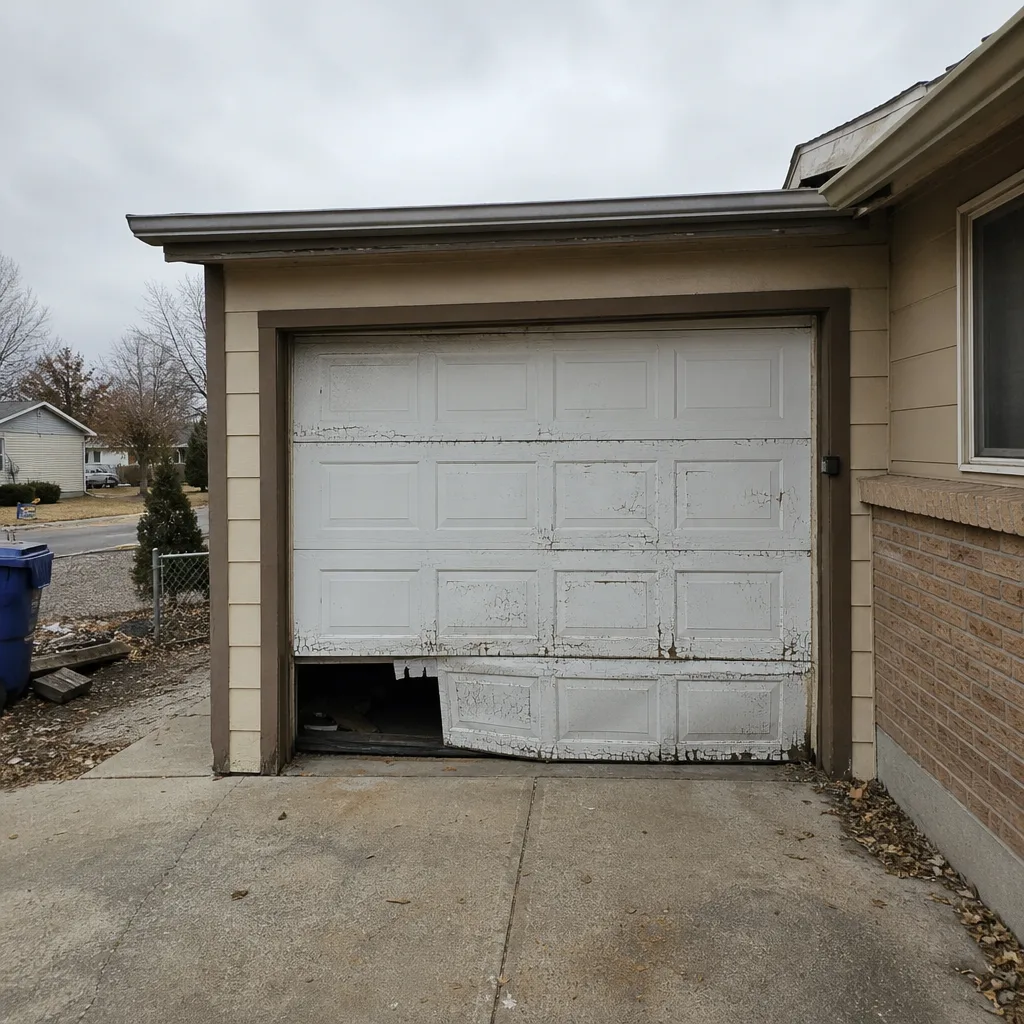 Before
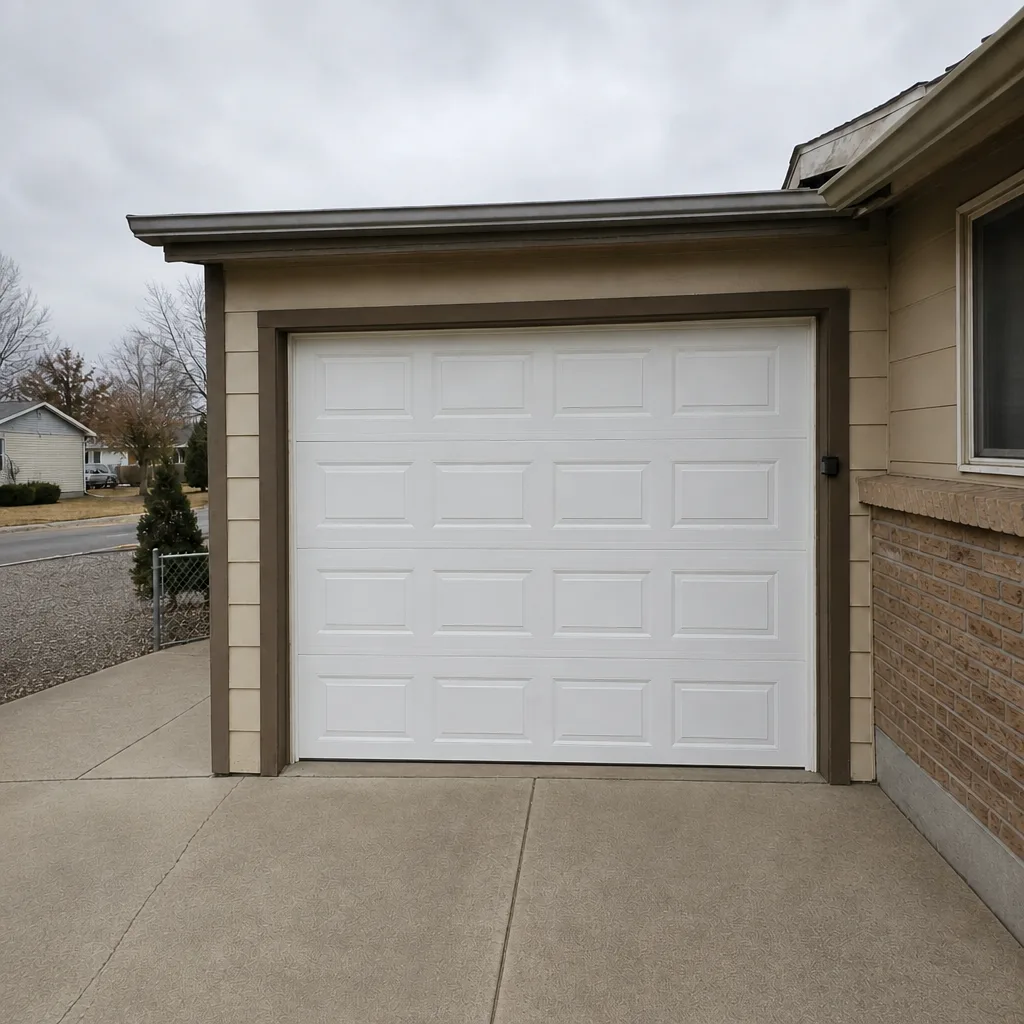 After
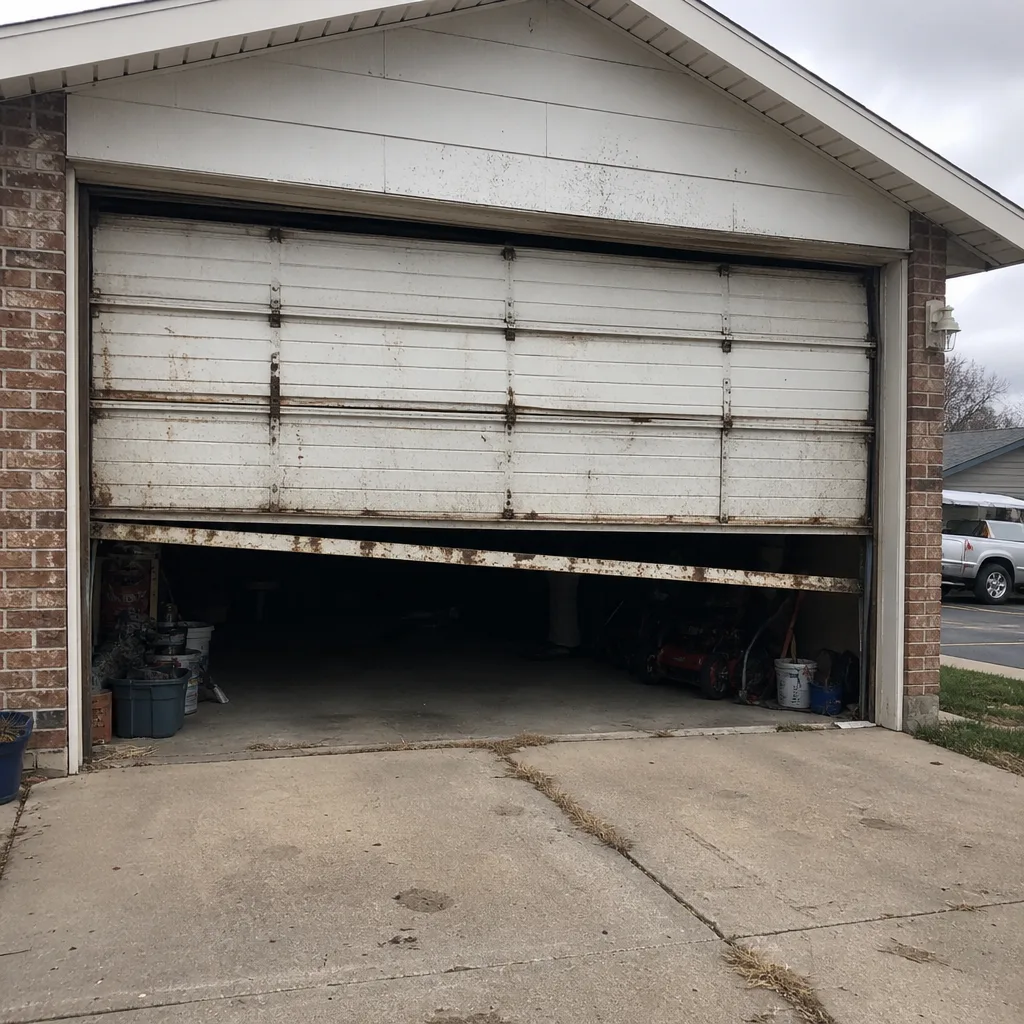 Before
 After
 Before
 After
When to Call a Professional
Some garage door issues are manageable on your own: a remote that needs a fresh battery, a safety sensor knocked out of alignment by a kid’s bicycle, a track that got bumped hard enough to need a bit of straightening. Call a professional when the fix touches springs, cables, or the opener’s internal components. Those systems carry stored energy or line voltage, and getting them wrong can hurt you. If the door is stuck open and you can’t secure the house, if a spring has visibly snapped, if the door is hanging crooked off one track, if the opener runs but the door doesn’t move, or if you hear a loud bang from the ceiling of the garage, those are all calls worth making today. Northbridge Garage Door Repair offers free estimates in West Jordan, and every job gets a written quote before any work starts. Call (888) 594-1936. We answer 24/7. Fast dispatch from 7am to 7pm, Sunday through Friday.
Frequently Asked Questions
There’s no single best brand, because the answer depends on the tier and the parts availability for your situation. Clopay, Amarr, Wayne Dalton, and CHI all make solid doors across economy, mid-grade, and premium tiers, and the deciding factors are steel gauge, insulation construction, and finish durability, not the badge on the panel. For openers, LiftMaster is the workhorse pick for high-use homes, Chamberlain is a sensible value choice for occasional use, and Genie and Craftsman are both serviceable when the model is still supported. A shop that works on all of them will steer you better than any single-brand dealer. Call (888) 594-1936 for a free estimate – it’s the quickest way to get a recommendation that fits what you already have.
They’re made by the same parent company and share many components, including remotes, logic boards, and safety sensors on some models. The difference is the sales channel and often the build spec: LiftMaster is the professional-installer line and is typically rated for higher cycle life, while Chamberlain is the retail line sold at big-box stores with a sometimes lighter build. If your household opens the door a lot, the LiftMaster tier is usually worth the small premium. If it doesn’t, a Chamberlain unit is a fine choice. We repair both lines, so we have no stake in which one you pick. Call (888) 594-1936 for a free estimate on repair or install.
Because a door that needs a part you can’t source is a door that stays broken. Parts for common LiftMaster, Chamberlain, and Clopay systems are typically stocked or same-day available through local Salt Lake Valley suppliers. Parts for discontinued Genie and Craftsman models sometimes require shipping, which pushes a repair out by several days. When your door breaks on a Saturday and you’re booked for Sunday, timing is everything. Ask any shop you call what the parts lead time looks like for your specific model. Call (888) 594-1936 for a free estimate – we’ll tell you upfront whether the part is available locally or whether we’re waiting on shipping.
Often, yes. Standard torsion springs, cables, rollers, hinges, and safety sensors for the major opener lines are parts we carry because they fail predictably. If your call comes in during our dispatch window and the failure is a common one, most systems are back in service same visit. We answer 24/7, and fast dispatch runs from 7am to 7pm, Sunday through Friday. A call outside dispatch hours is booked into the next opening. Call (888) 594-1936 for a free estimate.
It depends on the model and what’s failing. Many Craftsman and Genie units from the 1990s and 2000s are still running well and worth repairing, especially if the failure is a single component like a gear kit, capacitor, or logic board. The picture changes when the failure is structural or the unit is a discontinued model where parts only come from specialty channels with a shipping delay. We’ll diagnose it and tell you plainly whether a repair or replacement makes sense – we don’t push replacement when a repair will do. Call (888) 594-1936 for a free estimate.
Not as much as build style does. What determines insulation performance is whether the door has a bond between the inner and outer steel skins and what kind of foam fills the gap. Polyurethane-insulated doors with a bonded core perform noticeably better than non-insulated or polystyrene-paneled doors, regardless of brand. On an attached garage in West Jordan’s cold winters, that difference affects both comfort and the room above the garage. Clopay, Amarr, and Wayne Dalton each offer insulated models across tiers, so ask for the build spec, not the brand name. Call (888) 594-1936 for a free estimate on a new insulated door.
The Bottom Line
Brand reputation matters, but it’s not the deciding factor. Steel gauge, insulation construction, finish durability, opener cycle rating, and parts availability in your local market are what actually determine whether a door and opener system works well for you over the next decade. LiftMaster and Chamberlain share a parent company, Clopay builds doors under more than one label, and single-brand dealers can’t give you a straight comparison because they only know one line. That’s why a multi-brand shop is worth calling. We work on eight major brands in West Jordan, from a broken spring on an older Clopay to a fresh Wayne Dalton installation, and we tell you what’s wrong and what it costs before we start. Every estimate is free and every price is written.
If you’re ready to move on a repair or a new install, call Northbridge Garage Door Repair at (888) 594-1936 for a free estimate. We answer 24/7. Fast dispatch from 7am to 7pm, Sunday through Friday. We work on the brand you already have, and we tell you plainly when a repair will do the job.
Written by the team at Northbridge Garage Door Repair, serving West Jordan since 2012.