
Last updated November 14, 2026
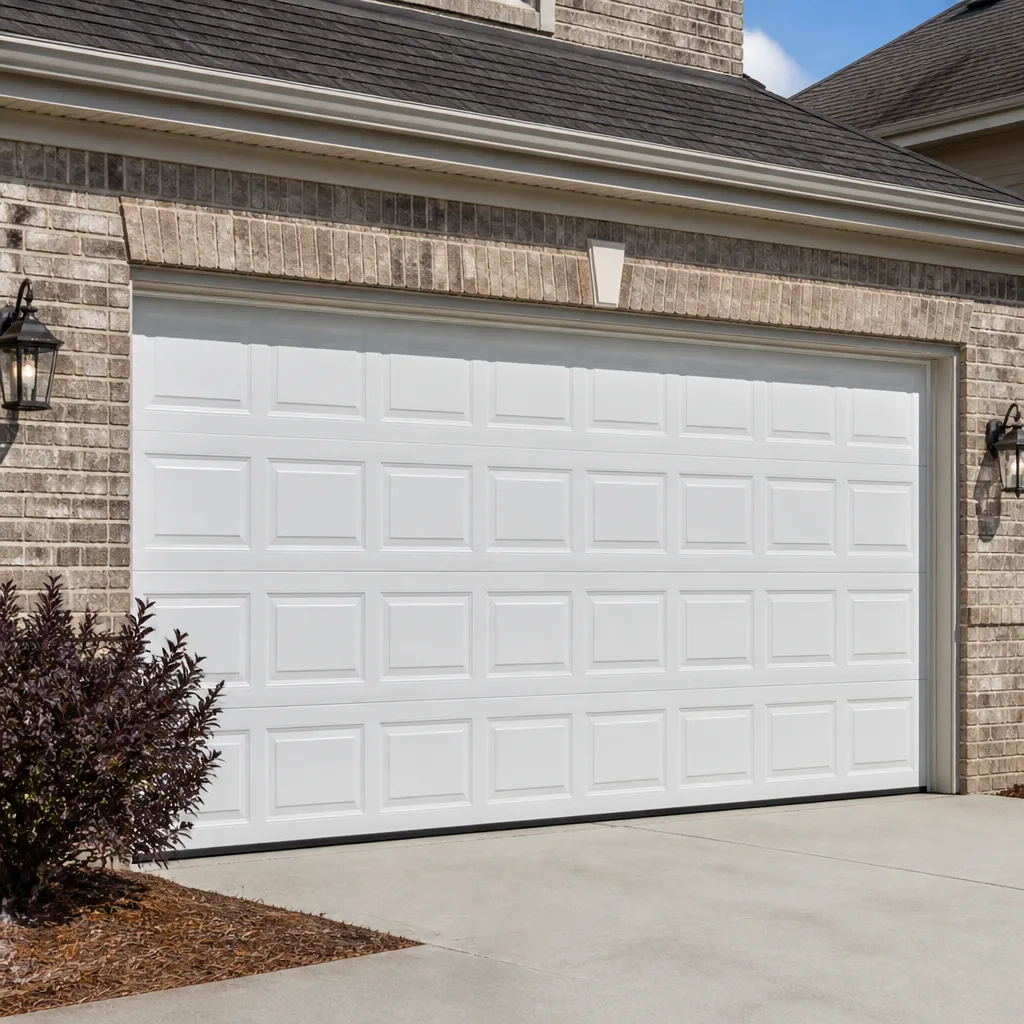 Raised-panel steel
 Carriage house
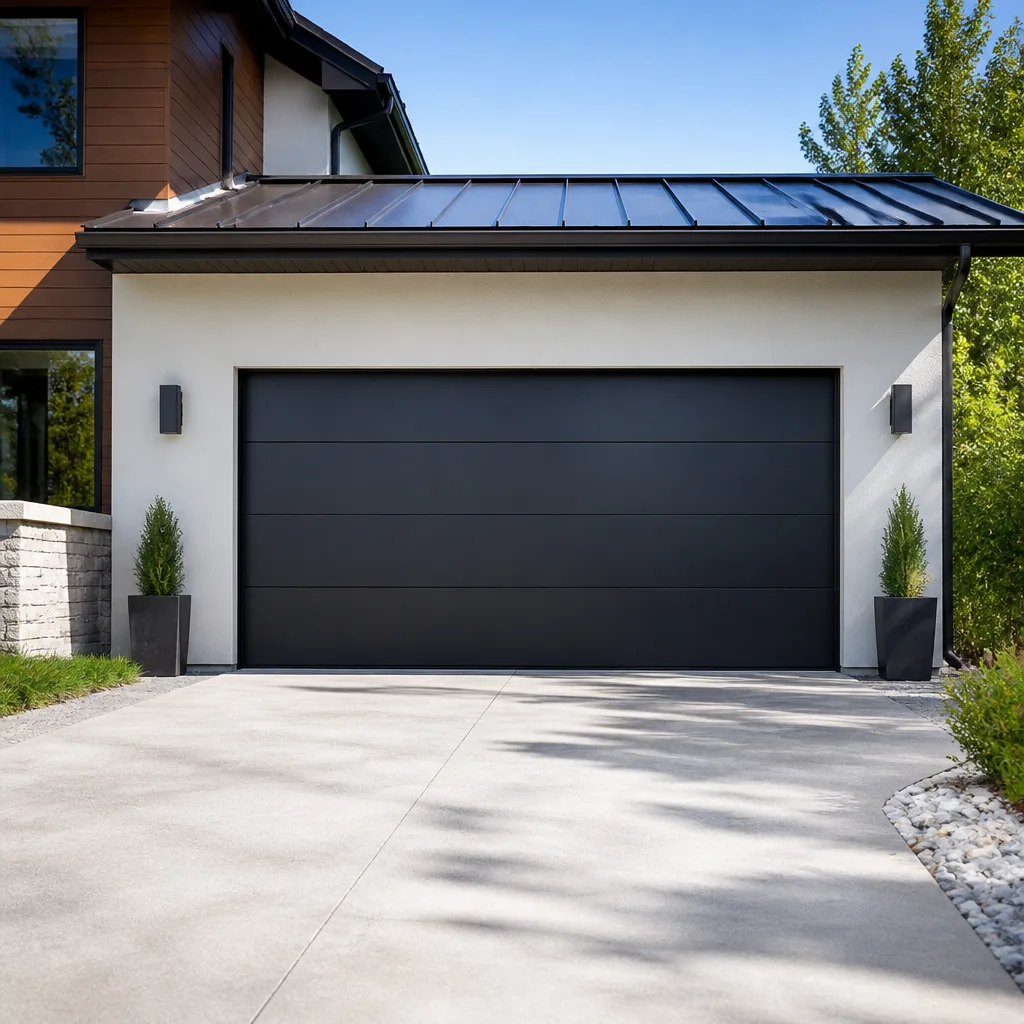 Modern flush
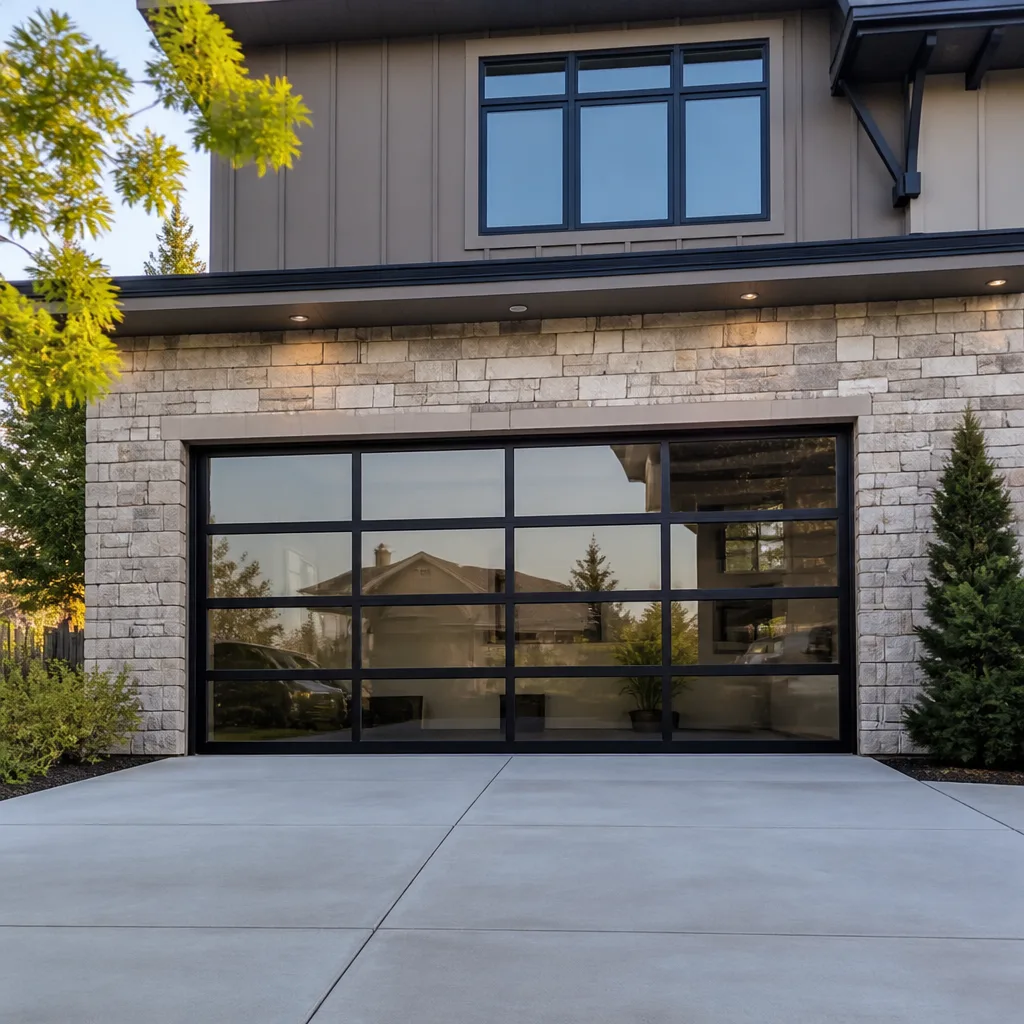 Full-view glass
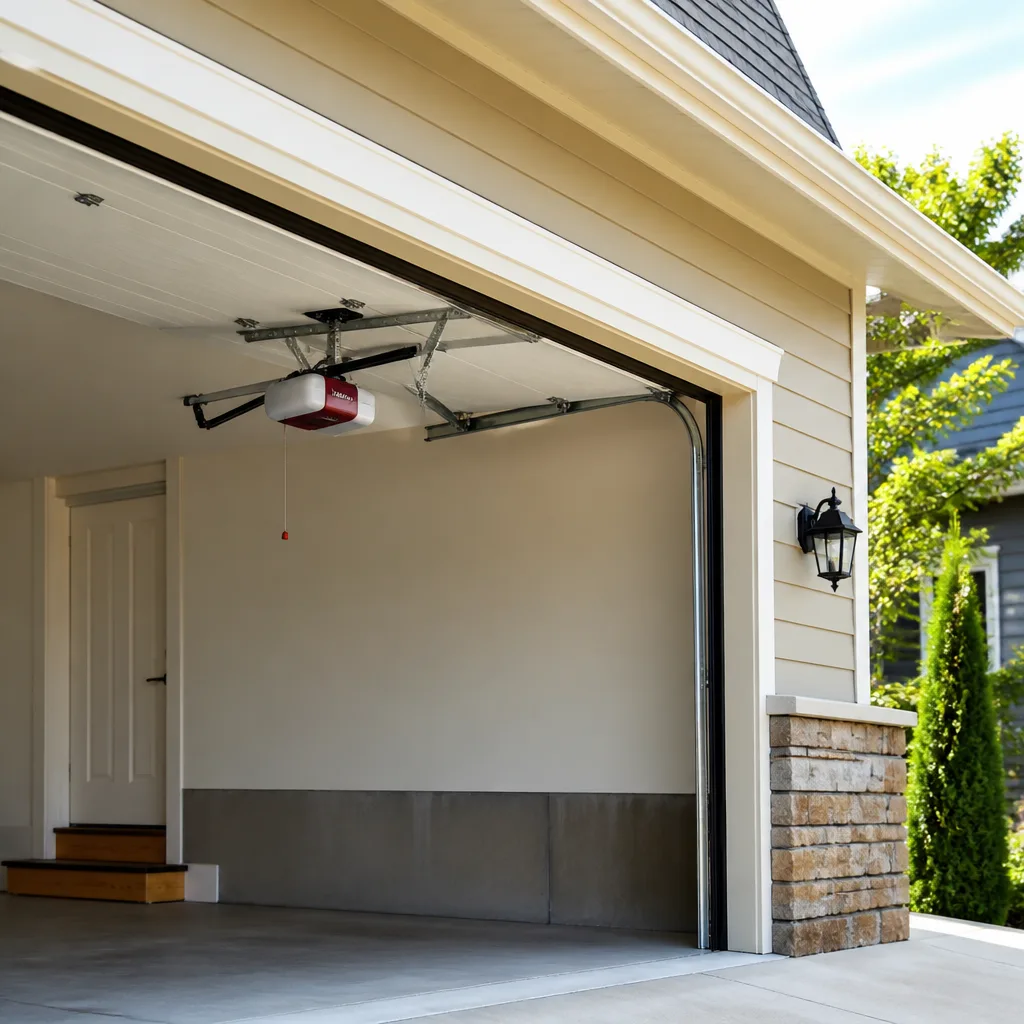 LiftMaster openers
 Chamberlain openers
Full 25-point door and opener safety check with every visit - springs, cables, rollers, tracks, and your LiftMaster or Chamberlain opener included
You get a price before we start. It does not change when the truck arrives.
Get your free estimateGarage Door Repair Maintenance Schedule: What to Do and When
Annual lubrication is the garage door equivalent of changing your oil every 20,000 miles. It’s better than nothing, but it’s timed to convenience rather than mechanical reality. Springs, rollers, and cables don’t care that it’s spring cleaning season. They wear on their own clock. The truth is simpler and more useful: a garage door has seven main wear points, and they tend to fail in a predictable order. Once you know the sequence, you can build a calendar around it instead of guessing. This guide gives you that schedule, task by task, and explains how we think about it here in West Jordan, where the temperature swings do their own work on the hardware every year.
Quick Answer
A well-built maintenance schedule for a garage door has four touchpoints a year: a monthly visual check of springs, cables, and rollers; a quarterly lubrication pass on hinges and rollers; a twice-yearly balance test to catch spring fatigue early; and a seasonal check of the bottom seal before and after the big temperature swings. Do those and you’ll spend very little time and money, and you’ll catch most problems months before they turn into a snapped spring or a door that won’t open.
Styles & brands we work with
- Raised-panel steel
- Carriage house
- Modern flush
- Full-view glass
- LiftMaster openers
- Chamberlain openers
Table of Contents
- Why an Annual Lube Job Falls Short
- The Seven Wear Points and the Order They Fail
- The Right Lubricant for Every Component
- The 60-Second Balance Test That Catches Spring Fatigue
- West Jordan Seasonal Tasks: Winter and Summer
- What to Log After Each Maintenance Pass
- When to Bring in a Technician
- Frequently Asked Questions
Why an Annual Lube Job Falls Short
The advice most homeowners get is a single line: lubricate the door once a year. It’s not wrong. It’s just incomplete. A can of lubricant sprayed once every twelve months doesn’t tell you anything about the state of your springs, your cables, or your bottom seal. Those parts don’t fail because they weren’t lubed. They fail on a calendar of their own, and that calendar is driven by cycles and by temperature, not by how recently you last thought about the door.
Consider how a garage door actually works. Every open-and-close cycle flexes each torsion or extension spring by a known amount. A two-car household with a couple of drivers runs the door somewhere between 1,000 and 2,000 cycles a year. That’s a lot of flexing. Rollers, hinges, and the bottom seal get a similar workout but through friction and contact with the ground. Whether the door is a Genie-powered setup from the 2000s or a newer Clopay insulated door, the mechanics of wear are largely the same.
What we see in West Jordan is that the wear calendar can compress in years with hard freezes and hot, dry summers. The same door that would comfortably hit its spring-life estimate in a mild climate might get there faster when the valley swings from a cold January to a dry August. That doesn’t mean the door is failing. It means the maintenance schedule needs to match the climate, not a generic checklist.
The Seven Wear Points and the Order They Fail
Here’s the observation that shapes this whole guide: garage door components tend to fail in a sequence, not at random. If you watch the first three points on the list, you’ll catch most of the rest before they become problems. This is the sequence we work through on every diagnostic at Northbridge Garage Door Repair.
- Rollers. Nylon rollers are usually the first to show wear. The bearing gets rough, the wheel starts to wobble, and the door gets louder. Rollers usually last several years before they need replacement, but they degrade slowly enough that homeowners adapt to the noise instead of noticing it.
- Bottom seal and weatherstripping. The seal at the bottom of the door takes direct contact with the concrete every cycle, plus whatever grit and moisture the ground throws at it. Dry, cracked seals show up early in West Jordan because the air gets dry and the concrete can hold moisture through freeze-thaw cycles.
- Cables and drums. Lift cables run over the drums and through pulleys, and they flex on every cycle. Fraying is the warning sign. A frayed cable is a serious safety issue and should be inspected by a trained technician, not handled by a homeowner.
- Hinges. Hinges wear more slowly than rollers but lose their tight fit over years, especially at the highest-stress points at the corners. Squeaks and play at the hinge are the tell.
- Springs. Torsion and extension springs have a finite cycle life. They often run well for years and then fatigue quietly before finally snapping. Fatigue, not sudden failure, is the phase you want to catch.
- Opener drive and logic board. The opener motor assembly is durable but not immortal. LiftMaster, Chamberlain, and Genie systems can run a long time before the drive gear or logic board needs attention.
- Panels and tracks. Physical damage from impact or misalignment. Usually the last to show wear on a well-maintained door, but the first to show on one that’s been ignored.
If you build your calendar backward from this sequence, you get something practical. Rollers and seals get the most frequent attention because they’re the earliest wear risk. Springs and cables get a closer look every few months because catching their fatigue early prevents the worst break. The opener gets a check when the door starts sounding different or reversing oddly.
The Right Lubricant for Every Component
Not every part wants the same lubricant. In fact, some parts want no lubricant at all, and one of the most common DIY mistakes is spraying the wrong product in the wrong place. Here’s how we work through it, component by component.
Hinges and pivot points: white lithium grease
White lithium grease sticks to metal and doesn’t run off quickly, which is exactly what you want on hinges and pivot points that see repeated movement. A small amount at each hinge, applied with a rag underneath to catch drips, is plenty. More is not better; excess grease on the hinge grabs dust and dirt and works against you.
Rollers: a light lubricant at the bearing
Nylon rollers want a light touch. A couple of drops of a light oil at the bearing, not a heavy coat on the wheel itself, keeps them turning smoothly. If the rollers are steel, a slightly heavier oil is usually fine at the bearing surface.
Weatherstripping and bottom seal: silicone spray
The rubber seal and the weatherstripping around the door frame benefit from silicone spray. It keeps the rubber pliable and slows cracking, which matters in West Jordan where the air is dry most of the year. Silicone is also safe for the rubber; petroleum-based products can degrade it over time.
Tracks: nothing at all
Tracks should be cleaned, not lubricated. A dry cloth to wipe off dust and grit is all they need. Lubricant on the tracks attracts dust and debris and turns the tracks into a sticky paste that makes the door work harder. The rollers roll along the track; the track itself isn’t a sliding surface.
Springs: nothing at all
Torsion and extension springs don’t need lubrication. We mention that because it’s a common instinct to spray everything, and it’s the wrong move here. Springs are under high tension, and the safest thing a homeowner can do is leave them alone and have a professional inspect them.
Our technicians work across eight major brands, including Genie, Clopay, Amarr, and Wayne Dalton, so the exact lubrication schedule for your hardware may adjust slightly. A Wayne Dalton door with a TorqueMaster system, for example, has a different spring configuration than a classic torsion setup. But the lube rules above hold across the board.
The 60-Second Balance Test That Catches Spring Fatigue
This is the most useful single check on the whole schedule, and it takes about a minute. The balance test tells you whether your springs are still doing their share of the lifting, months before fatigue turns into a snap. Here’s how to do it safely.
- With the door fully closed, pull the opener release cord so the door is disengaged from the opener. This is the safety release; it doesn’t disconnect the springs.
- Lift the door by hand to about halfway open. It should move with reasonable smoothness and stay roughly where you stop it in the middle of the travel.
- If the door falls or slides down from halfway, the springs are likely under-tensioned or fatigued. It’s a sign to call a technician, not to adjust anything yourself.
- If the door rises on its own from halfway, the springs are over-tensioned, which is also a call-a-technician situation.
- Re-engage the opener by lifting the door slightly (or, on some openers, running the motor briefly) to reconnect the release.
Do that once a month. It’s a look, not a handle. Watch for the door drifting down more quickly over weeks, or needing a little more human effort to get to the halfway point. That drift is spring fatigue. Catching it early means a scheduled spring replacement rather than a call after the spring has snapped. A snapped spring is a real safety hazard; the door can come down hard on its own, and the sound is only the end of a story that was written weeks earlier.
One thing that’s not safe, and we want to say it plainly: do not try to adjust or replace torsion springs yourself. The springs are under enough tension to cause serious injury. Replacing them is a job for a trained technician. Same for cables. The balance test is safe. Anything that involves turning a winding bar or handling a cable is not.
West Jordan Seasonal Tasks: Winter and Summer
The temperature swings along the Jordan River corridor give West Jordan a garage door wear pattern that’s worth planning around. Here’s the schedule we’d suggest for a door in this area.
Before winter: check the threshold seal
Cold air finds the worst spots first, and the bottom seal is usually the worst spot. Run your hand along the inside of the bottom seal (or crouch and look) to check that it’s contacting the concrete evenly. If you can see a gap, or if the seal has stiffened and cracked from last summer, replace it before the first hard freeze. A tight seal keeps cold air out and reduces the temperature swing the door sees from the inside out. It also keeps snowmelt and rain from working its way under the door, which is the kind of slow damage that shows up as rusted panels a few years later.
Before winter: look at the weatherstripping around the frame
The frame weatherstripping protects the door edges. If it’s cracked or pulling loose, it’s a cheap replacement and worth doing before the cold, because it’s also what stops drafts. This is also a good time to do the balance test once more; springs get a workout when the door is being opened more times in the cold on school mornings and grocery runs.
After summer: inspect the rollers
Heat expansion cycles in the summer loosen the roller bearings a little more than other times of year. In July and August, the door has been running a lot and going through its swing-to-warm adjustments daily. Take a minute to look at each roller (you’ll see them along the side of the door). If the wheel wobbles, if the bearing feels rough, or if the roller sounds different than its neighbors, it’s a candidate for replacement. The cost of replacing a set of rollers is small compared to the noise and the stress on the door’s balance.
Year-round: keep the tracks clean
Dry, dusty air means grit and pollen. A quick wipe of the tracks with a dry rag every couple of months keeps the rollers running clean. No lubricant on the tracks, but a wipe-down helps more than most homeowners realize.
What to Log After Each Maintenance Pass
This is the piece virtually no one does, and it’s the one that saves the most time later. A short log after every maintenance pass gives a technician an actual history of the door, so a diagnostic visit can start from what’s already known instead of starting from scratch. Here’s what to write down.
- Date and odometer-of-the-door. If you have a rough idea of how many cycles the door runs per day, multiply it out. If not, just log how many times a day it’s used (a household that runs it six times a day will go through springs faster than one that runs it twice).
- Results of the balance test. Does the door stay at halfway, drift down, or rise? Any change from the previous entry is worth noting.
- Roller condition. Note which rollers were noisy, which wobbled, and whether you replaced any.
- Seal and weatherstripping condition. Cracked, pliable, snug, or gapped. A short note like “bottom seal snug, right side slightly gapped” is enough.
- Any sound changes. If the door started squeaking, groaning, or making a rhythmic noise, write it down and when it happens (open only, close only, both).
- Opener observations. Any hesitation at the start, auto-reverse issues, or remote range problems. This is where a Genie or LiftMaster opener’s early signs show up, and knowing when the symptom started helps our garage door opener repair technicians narrow down whether it’s the drive gear, a sensor, or the logic board.
When you do eventually schedule a professional inspection, that log is worth more than the door itself in diagnosis time. It also makes future maintenance easier to plan, because you’re working from evidence rather than from a rough recollection.
When to Bring in a Technician
Some tasks above are DIY, and we mean that. The monthly visual check, the balance test, the lubrication pass, the seal inspection, and the log are all things a homeowner can and should do themselves. But there’s a line, and here’s where it sits.
Call a technician if you notice a frayed or visibly damaged cable, a spring that has broken or that you suspect has fatigued significantly based on the balance test, a door that comes off the tracks or binds when it moves, or an opener that reverses without a clear obstruction. Those are the scenarios where a professional should take a look before anything else touches the door. Springs and cables in particular are under high tension and are not a DIY item.
Northbridge Garage Door Repair offers free estimates in West Jordan – call (888) 594-1936. We’ll tell you exactly what’s wrong and what it will cost before we start. We’re a repair-first shop, so if a service or part replacement will do the job, that’s the recommendation you’ll get. Most systems are back in service the same visit for the simpler wear-point issues. And because we work on the brand you already have across eight major brands, we’re not going to steer you toward a new opener because ours is the only one we know how to fix.
Frequently Asked Questions
The monthly balance test. It takes about a minute, it’s safe for a homeowner to do, and it catches spring fatigue weeks or months before a snap. The lubrication pass is the more famous answer, but the balance test is the one that actually prevents the emergency call.
Every three to four months is the practical answer for most households in West Jordan. Lubricate hinges with white lithium grease and roller bearings with a light oil, but never lubricate the tracks or the springs. If you use the door heavily, twice a year is fine; if you hardly use it, a quarterly schedule keeps the metal from drying out and squeaking.
No. Torsion springs are under enough tension to cause serious injury, and the winding process has no safe margin for error with a homeowner’s tools. It’s a trained-technician job. The same goes for cables. Do the balance test and log the results; leave the springs and cables to a professional.
The Jordan River corridor temperature drops push the bottom seal harder than a mild climate would, so pre-winter seal checks are worth doing. The hot, dry summers expand rollers and dry the weatherstripping faster. The result is a slightly compressed schedule: check rollers after summer, check the seal before winter, and run the balance test year-round. Nothing exotic, just a calendar that matches the local weather.
You don’t need to know in order to do the balance test. But for a replacement, the part has to match the door and the spring configuration. If you’re unsure, tell us what’s on the door or send a photo; our technicians work across all eight major brands and can identify what you have from the label, the hardware, or the door itself. It saves you the trouble of guessing.
Often it’s a roller problem, especially if the sound is coming from the side of the door where the rollers ride. Worn roller bearings make the door louder as they degrade. That’s a cheap, straightforward fix. If the noise is coming from the opener itself, that’s worth an opener-specific diagnostic. Either way, the sound is telling you something.
If you’re hearing something new, call (888) 594-1936 for a free estimate – we’ll help you narrow down which problem you’re actually hearing. We answer 24/7. Fast dispatch from 7am to 7pm, Sunday through Friday.
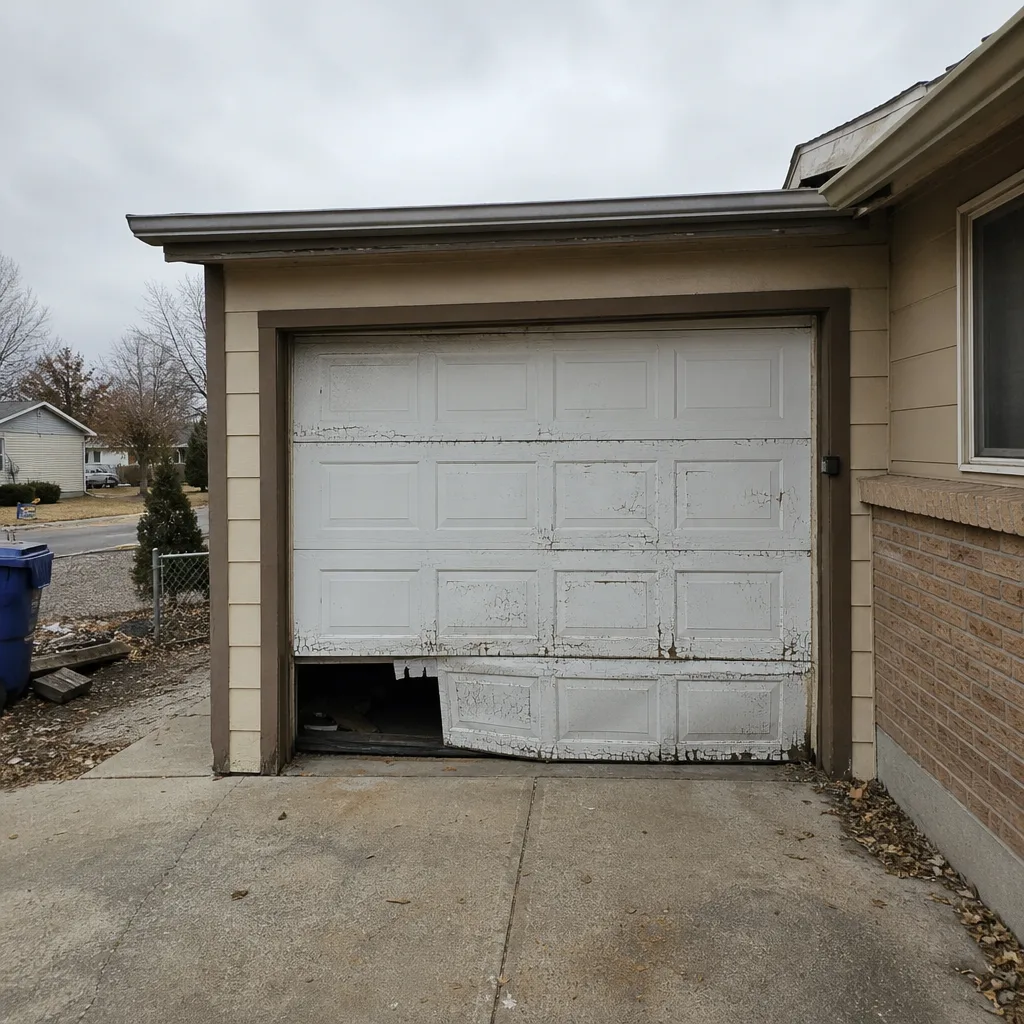
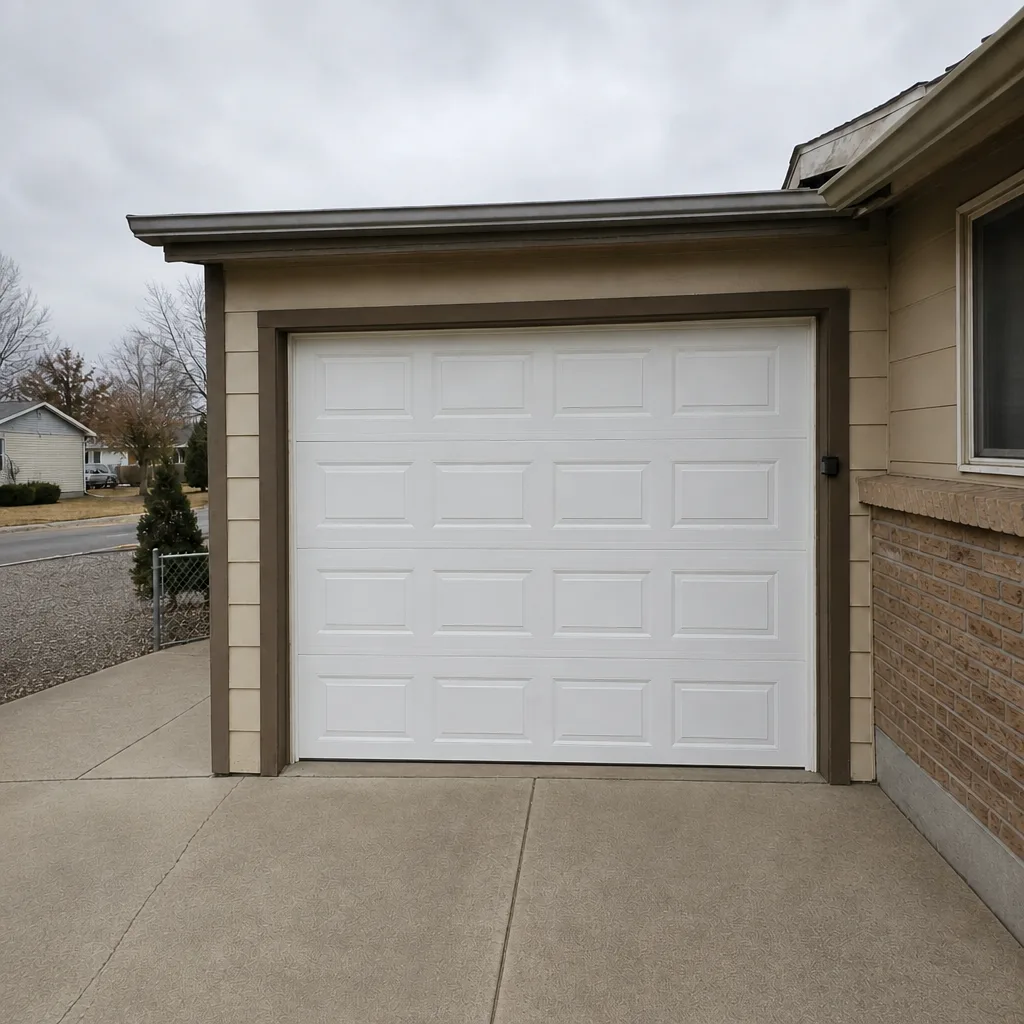
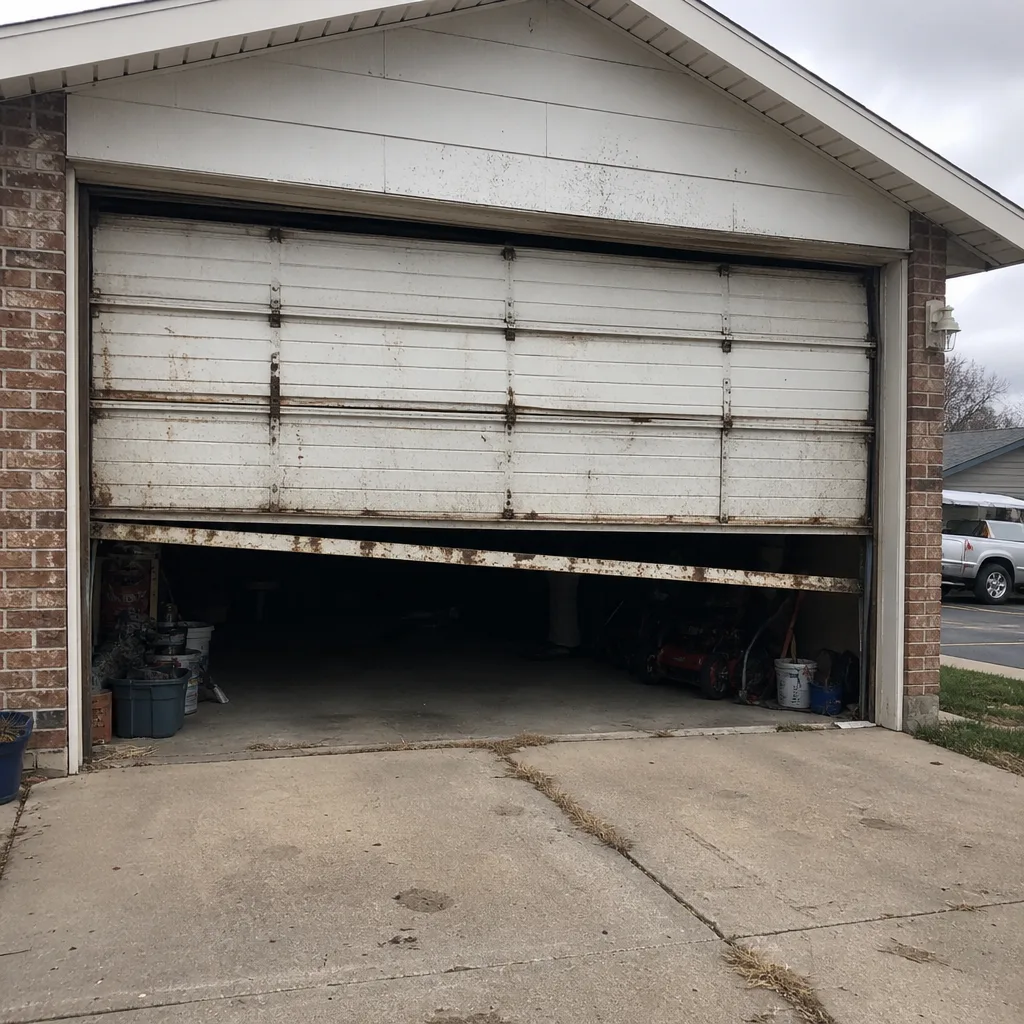
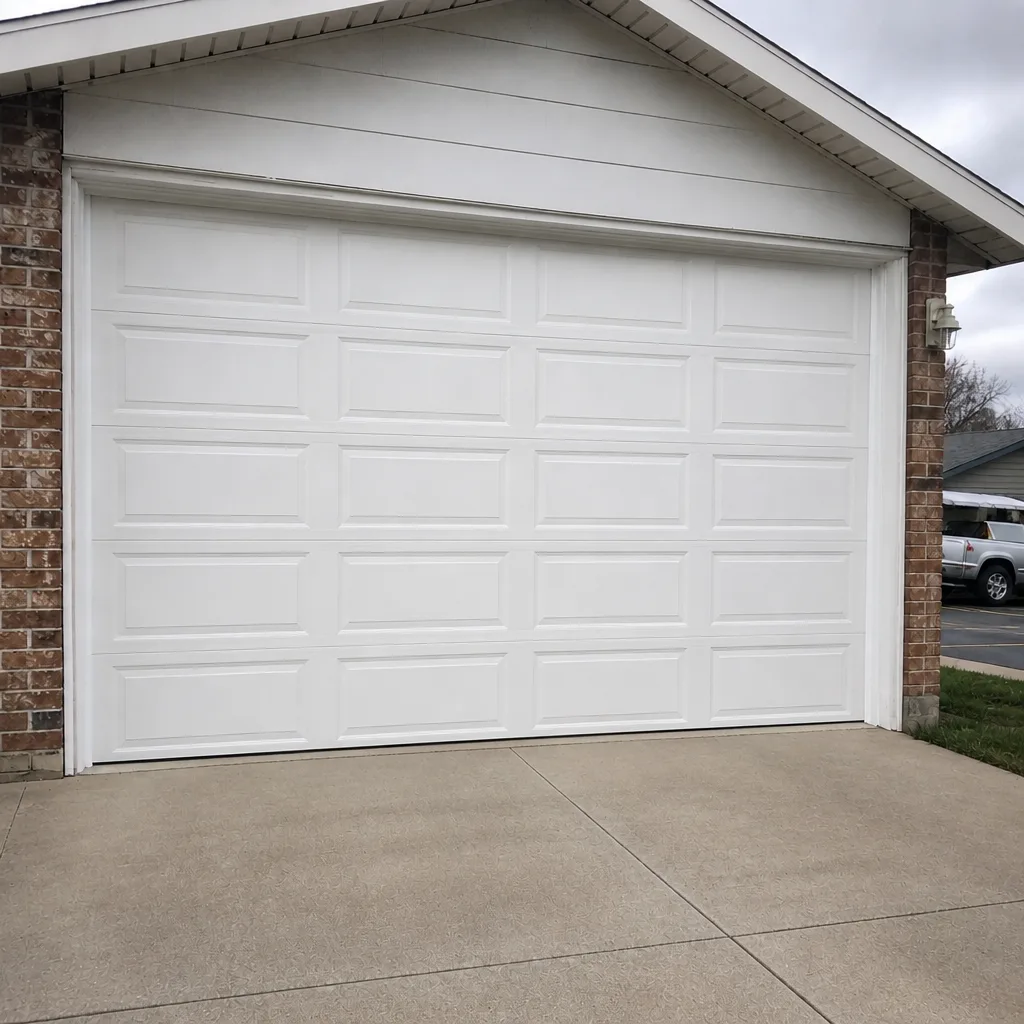
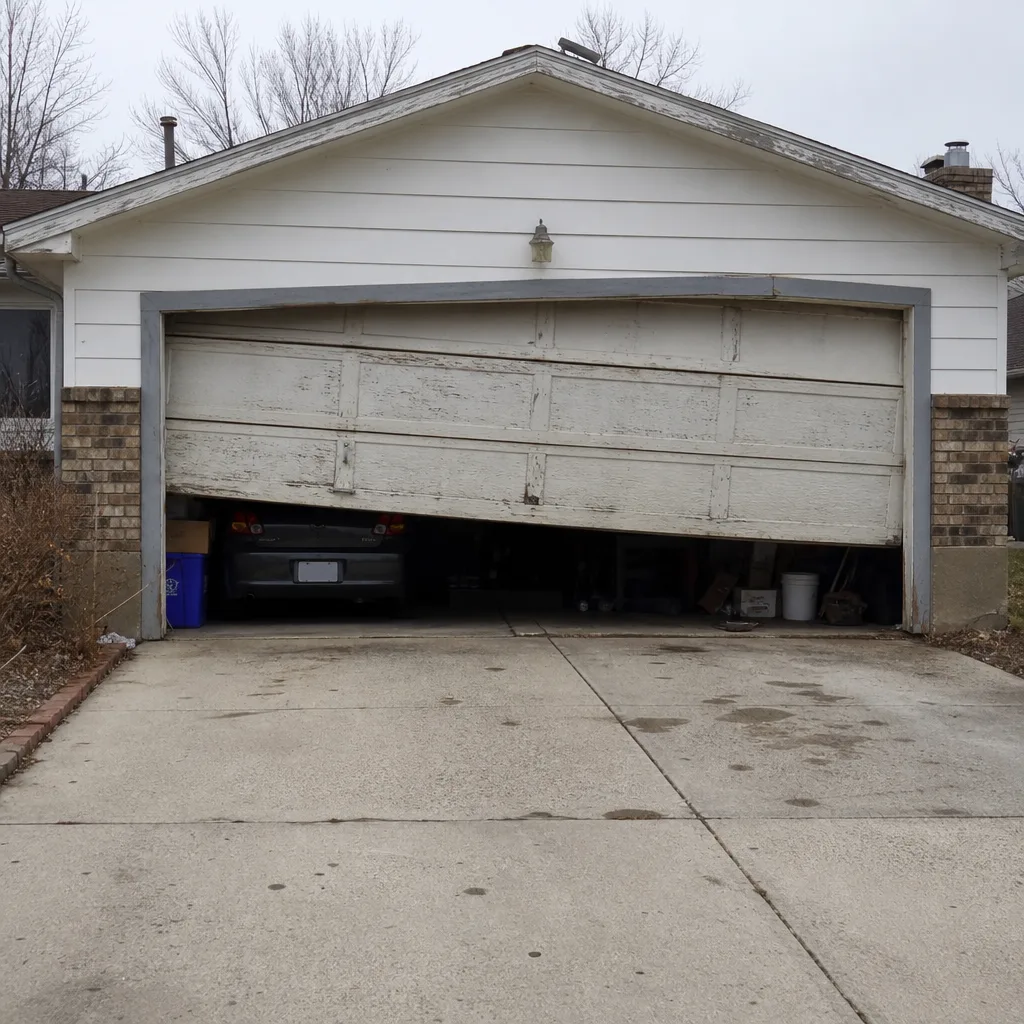
See the difference
 Before
 After
 Before
 After
 Before
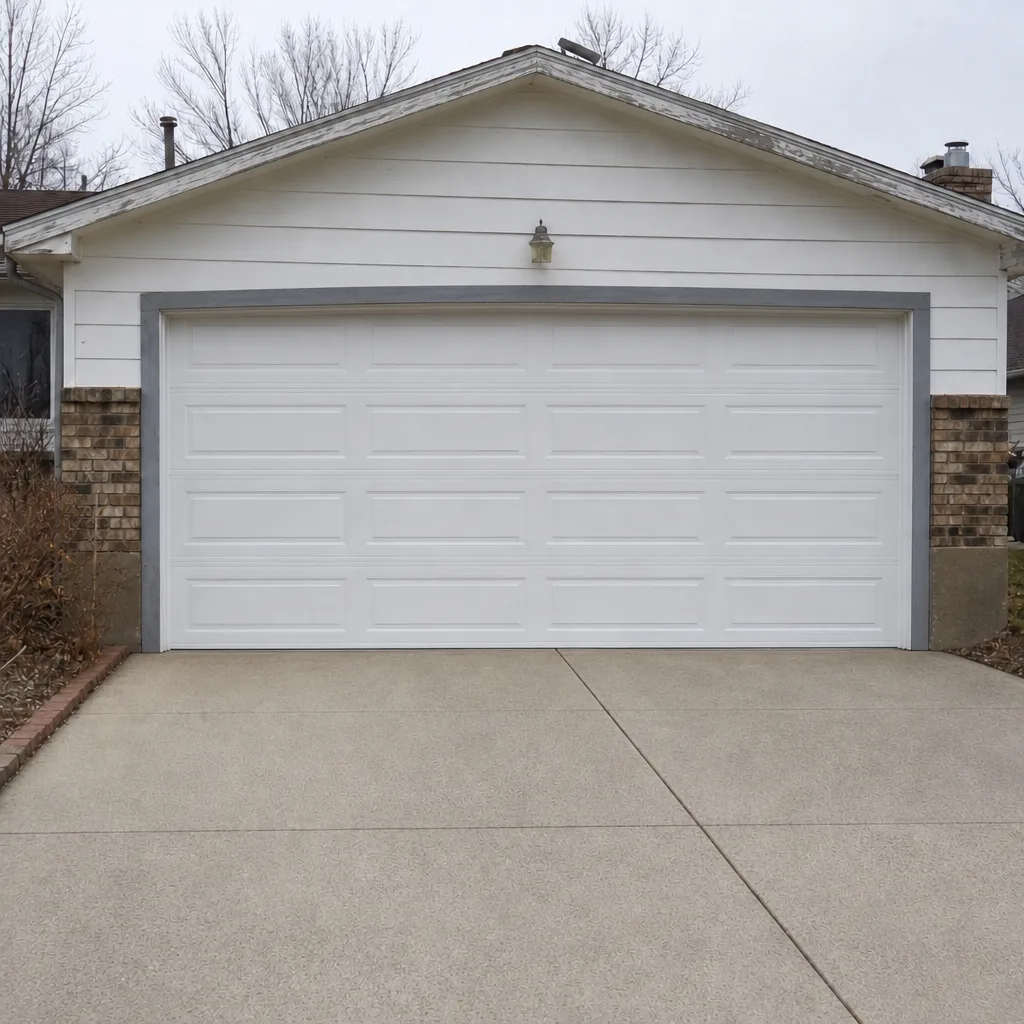 After
Common Mistakes to Avoid
- Lubricating the tracks. It’s the most common mistake we see, and it makes the door worse instead of better. The tracks are meant to be dry; lubricant there grabs dust and grit and makes the rollers drag.
- Spraying springs. People assume every metal part needs a spray. Springs don’t need it, and the safer move is to leave them alone. Ask a technician to check the springs; don’t try to service them yourself.
- Skipping the balance test because the door “feels fine.” Doors feel fine right up until they don’t. The balance test is a 60-second check you can do without any tools; skipping it is the difference between a scheduled repair and an emergency call.
- Waiting for a snapped spring to replace a tired one. Fatigue shows up before failure. A spring that drifts down from halfway is tired; keep using it and it will break. Replace it on the schedule, not in a scramble.
- Ignoring a cracked bottom seal in West Jordan. It’s easy to skip because it’s out of sight. But the seal is the door’s first defense against drafts and moisture, and the dry air here cracks it faster than homeowners expect.
- Guessing at the brand of an opener or door when ordering a part. A Genie opener and a Clopay door don’t share the same hardware, and neither one will accept parts meant for the other. If you’re unsure, check the label or ask. A wrong part delivered is worse than no part at all.
- Not keeping a log. The log feels like extra work, but it saves diagnosis time every single visit. A technician who knows the door’s history gets to the fix faster.
When to Call a Professional
Call us when the balance test shows drift, when a cable looks frayed, when the door comes off its tracks, or when the opener is reversing on its own. Those are the cases where the diagnostic first, repair second approach wins, and where a homeowner shouldn’t get hands-on. Northbridge Garage Door Repair offers free estimates in West Jordan – call (888) 594-1936. We’ve been working on garage doors since 2012, and the same team handles repair, opener repair, and new installation in-house, so there’s no hand-off to another contractor. Whether you’re in a newer subdivision or an older part of West Jordan, we’ll tell you what’s wrong and what it’ll cost before we start. Call with a question, book a diagnostic, or just use us to confirm the balance test results. We answer 24/7. Fast dispatch from 7am to 7pm, Sunday through Friday.
The Bottom Line
A garage door has seven wear points, and they fail in a predictable order: rollers, bottom seal, cables, hinges, springs, opener, panels. Build a calendar around that sequence, and an annual lube job isn’t your maintenance plan anymore; it’s one small piece of a schedule that actually catches problems early. Run the balance test monthly, lubricate the right parts with the right products quarterly, check the seal before winter and the rollers after summer in West Jordan, and log what you see. That’s it. Small effort, better odds against the emergency call.
If you’d rather hand the schedule to someone who knows what to look for, the garage door repair team at Northbridge Garage Door Repair is ready. We work on the brand you already have, across eight major brands, and we’ll tell you exactly what’s wrong and what it will cost before we start. Call (888) 594-1936. We answer 24/7. Fast dispatch from 7am to 7pm, Sunday through Friday.
Written by the team at Northbridge Garage Door Repair, serving West Jordan since 2012.