
Last updated November 14, 2026
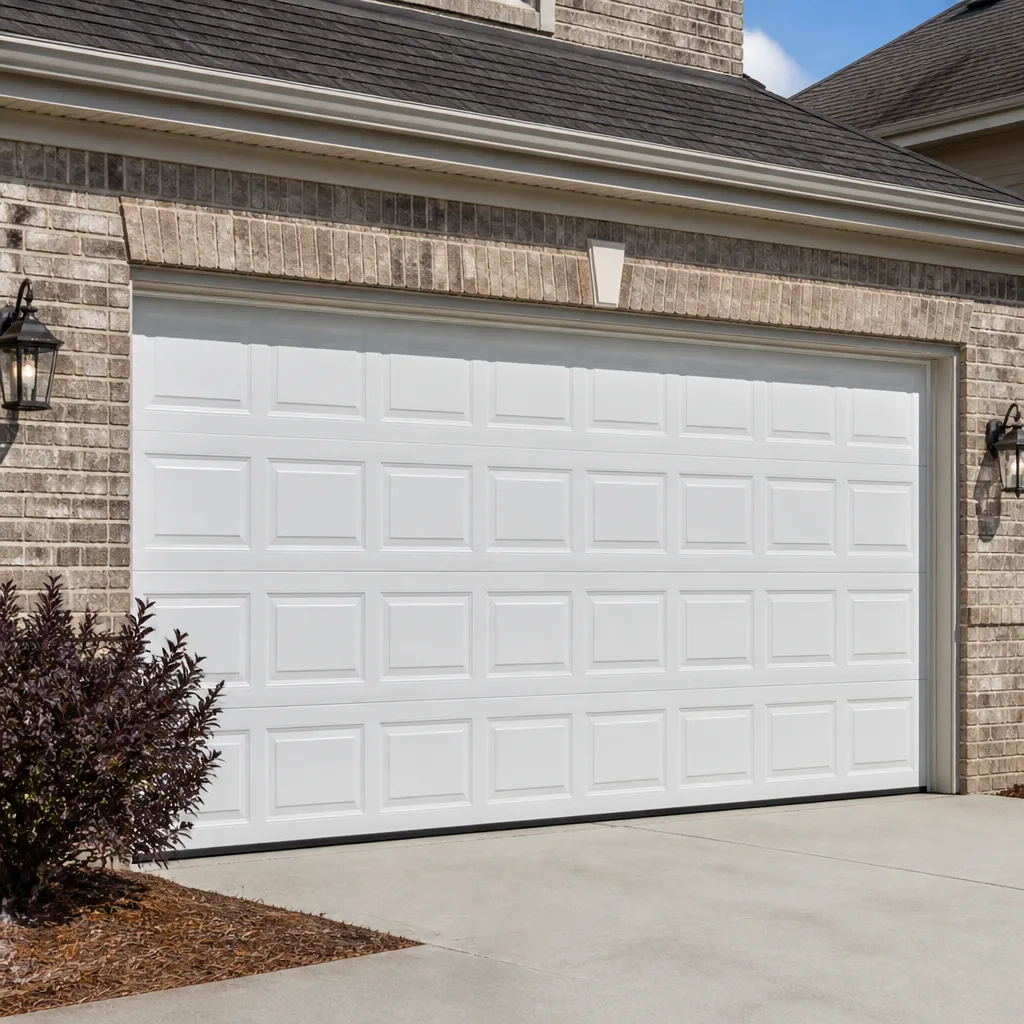 Raised-panel steel
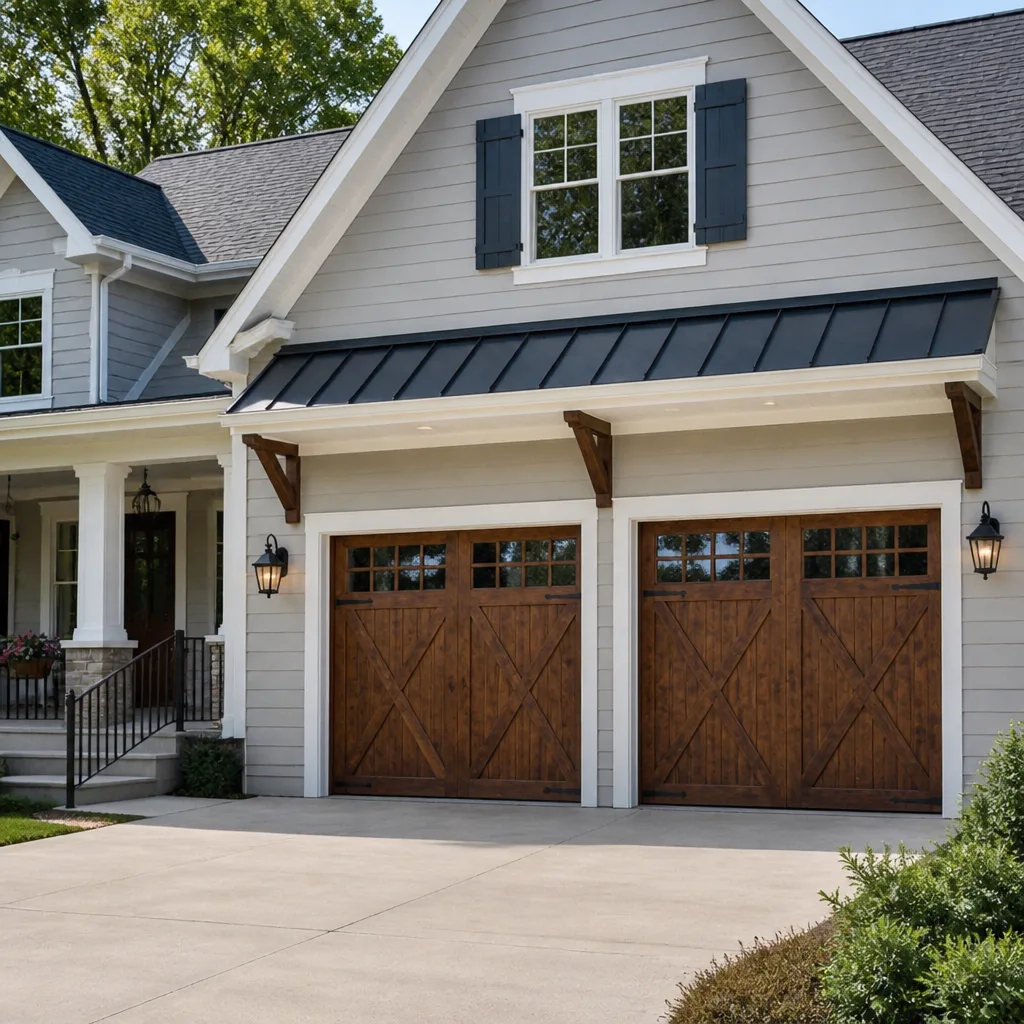 Carriage house
 Modern flush
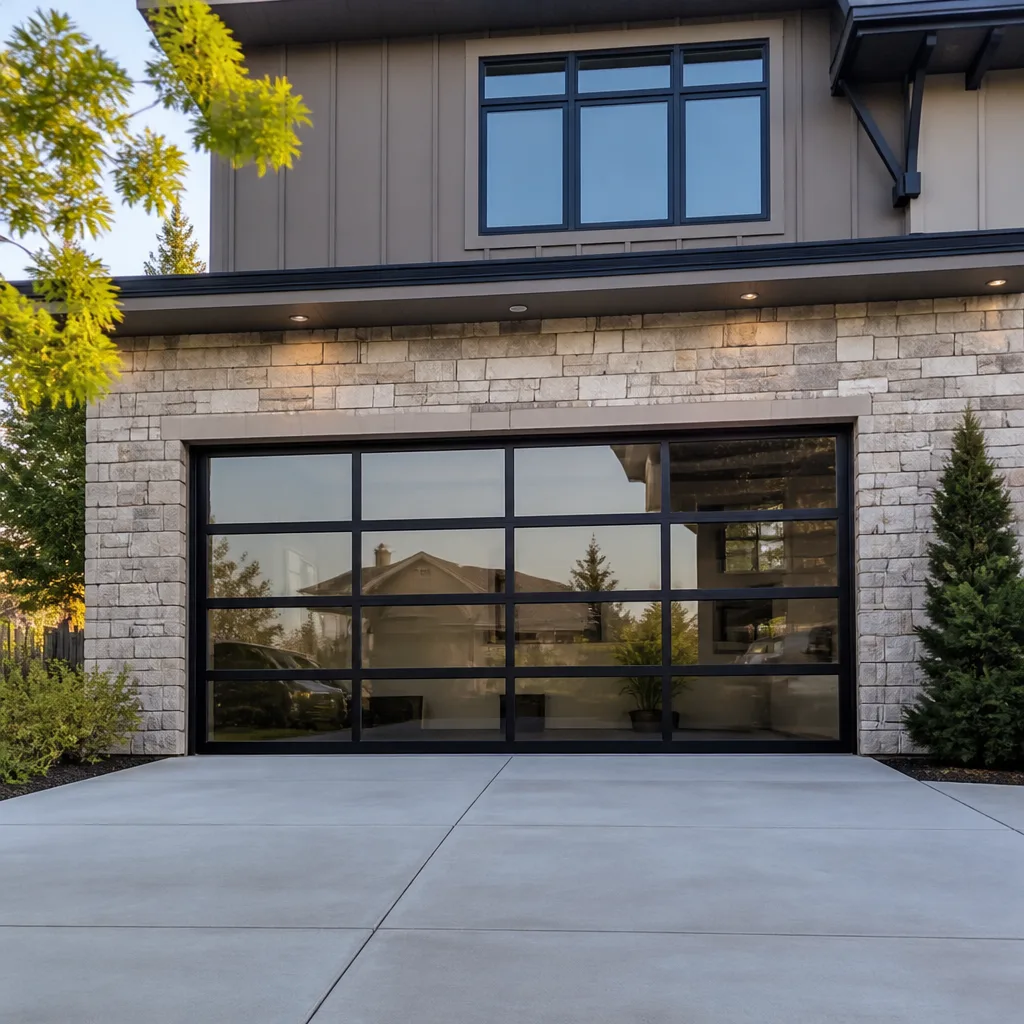 Full-view glass
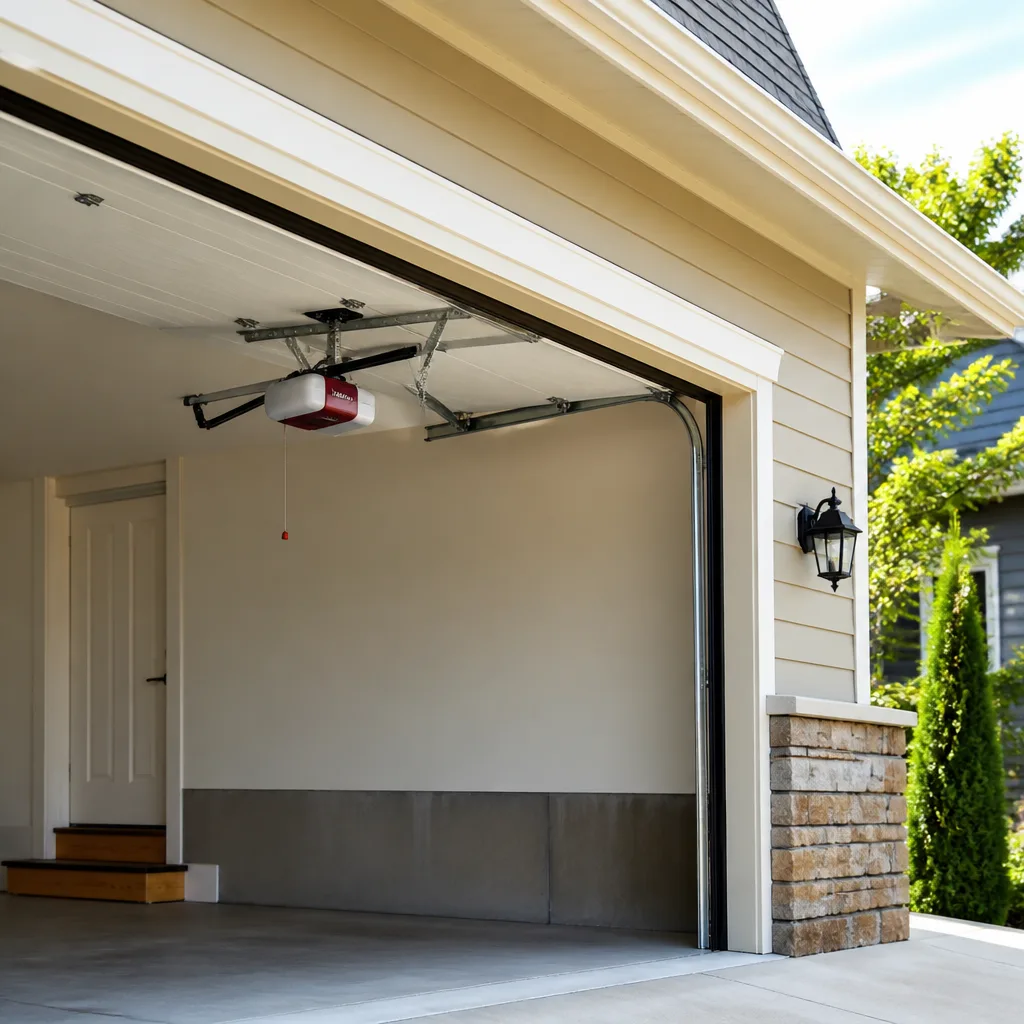 LiftMaster openers
 Chamberlain openers
Full 25-point door and opener safety check with every visit - springs, cables, rollers, tracks, and your LiftMaster or Chamberlain opener included
You get a price before we start. It does not change when the truck arrives.
Get your free estimateGarage Door Permits, Codes & Inspections in West Jordan, UT: What You Need to Know
Swap out a garage door panel on a Tuesday afternoon and you’ll never touch a city permit. Run a new dedicated circuit to feed a smart opener in a 1970s West Jordan rambler, and you’ve stepped into permit territory that most homeowners never see coming. That split is where the real confusion lives. Utah doesn’t regulate garage door work as a single tidy category. Permits get triggered by electrical, structural, and fire-separation rules that sit a layer underneath the door itself. This guide walks through what West Jordan City and Salt Lake County actually classify as permit-required, when a header modification pulls in structural review, how unpermitted opener wiring surfaces on a home sale inspection, and how to pull a simple permit on your own.
Quick Answer
In West Jordan, a straight garage door replacement usually does not require a building permit; the door and its springs sit under the trade rules for the door, not the structural code. Permits do come into play when you add or change an electrical circuit for an opener, modify the structural header to fit a taller door, cut a new rough opening, or touch the fire-rated wall between an attached garage and the living space. For anything electrical or structural, the permit is pulled through the West Jordan Building Department before the work, and the work must pass inspection before it’s closed out.
Styles & brands we work with
- Raised-panel steel
- Carriage house
- Modern flush
- Full-view glass
- LiftMaster openers
- Chamberlain openers
Table of Contents
- What West Jordan Actually Requires a Permit For
- What Typically Doesn’t Need a Permit
- When a Header Modification Triggers Structural Review
- Unpermitted Opener Wiring and the Home Sale Inspection
- Fire-Rated Doors Between the Garage and the House
- Pulling the Permit Yourself vs. Using a Contractor
- What a Garage Door Inspection Looks Like
- Common Mistakes to Avoid
What West Jordan Actually Requires a Permit For
If a project involves the structure, the electrical system, or the fire separation between the garage and the house, expect a permit. West Jordan is a mid-size Utah city with a building department that runs its own reviews under the state’s adopted code cycle, and the staff there are the ones who make the call on borderline items. A quick phone call to the West Jordan Building Department before you commit to a design is worth more than any forum thread you’ll read about it.
The categories that reliably require a permit:
- New electrical circuits for a garage door opener, including running a dedicated line from the panel. Even wiring a low-voltage control run into a new circuit can fall under this if the panel is opened and a breaker added.
- Header modifications – any cutting, notching, raising, or sistering of the structural beam above the door opening.
- New rough openings cut into an existing wall where no opening exists, including converting a solid wall to a door bay.
- Fire-rated door alterations where the separation between an attached garage and the living space is affected.
- Any structural change that alters how load transfers above or beside the opening.
Our crews see the electrical category come up most often in West Jordan’s older subdivisions, where builders didn’t run dedicated garage circuits because openers weren’t standard equipment. If replacing the door is the whole job, we don’t get pulled into permit work. If the opener needs a new feed, the electrical side is a licensed electrician’s job, and we work alongside them so the door and opener go in clean.
What Typically Doesn’t Need a Permit
The good news for most homeowners: the door itself is usually permit-exempt. Replacing a worn LiftMaster or Chamberlain opener on an existing circuit, swapping out damaged panels, replacing springs or cables, or installing a new door in the same opening with the same dimensions rarely triggers a building permit. That’s trade repair work, not new construction. The West Jordan Building Department will confirm this for your specific address, and it’s worth a phone call if you’re uncertain.
The typical permit-exempt jobs:
- Replacing a door of the same size in the same opening.
- Replacing a garage door opener on the existing wiring and outlet.
- Spring, cable, roller, and hinge replacement.
- Panel swaps after impact damage.
- Adding a keypad, remote, or smartphone module that ties into the existing opener.
Where it gets cloudy is the “same size” part. A Craftsman door that’s 7 feet tall coming out and a 7-foot Clopay going in is straightforward. A 7-foot door coming out and an 8-foot door going in is not, because the extra foot of headroom usually means the header has to move up, and that’s structural. West Jordan’s housing stock, particularly the older neighborhoods near the historic downtown core, is full of homes with low-clearance openings where a homeowner wants to upgrade and doesn’t realize the height change pulls in the permit process. If you’re doing anything more than a straight garage door repair, check with the city before the order goes in.
When a Header Modification Triggers Structural Review
A header is the beam that carries the load of the wall above the garage opening. Change its dimensions and you’ve changed how that load moves through the house. West Jordan’s older homes, especially those built in the 1960s through the 1980s on the west side of the valley, commonly have 7-foot openings with shallow headers sized for the original door. Raise the opening to 8 feet to fit a modern Raynor or Amarr door and the header has to be re-engineered.
What structural review typically involves:
- Engineering the new header. A licensed structural engineer calculates the beam size, species, and fastening based on the span and the load above.
- Submitting drawings to the West Jordan Building Department. The permit application includes the engineering, the plan for temporary shoring during the work, and the inspection schedule.
- Shoring during construction. The wall above the opening has to be supported while the old header comes out and the new one goes in. This is not a two-person weekend job.
- Framing inspection. The city inspector checks the header, king studs, jack studs, and connections before any drywall or trim goes back on.
- Close-out. The final inspection signs off the completed work, and the permit record shows the modification was done to code.
Skip the permit and you carry the risk forward. When a future buyer’s inspector sees a raised opening without a permit record, the standard response is to require documentation or a retrofit, and that gets expensive. If you’re weighing a taller door, we usually suggest having the header checked before committing to a door size. The door choice is easy to change. The header work is not.
Unpermitted Opener Wiring and the Home Sale Inspection
Most garage door openers run on a standard 120-volt outlet in the ceiling, and that’s fine. What isn’t fine is a homeowner adding a new circuit to feed a high-draw smart opener, or moving the outlet, without pulling an electrical permit. When a West Jordan home goes on the market and a buyer’s inspector opens the panel and finds an undocumented circuit feeding the garage, the finding shows up in the report and the conversation turns into a negotiation.
What typically happens next:
- The underwriter flags it. Many lenders require electrical work to be permitted and inspected before they’ll fund a loan.
- The buyer’s agent asks for remediation. That means either pulling a retroactive permit and passing inspection, or removing the unpermitted work entirely, which defeats the purpose of the original upgrade.
- A licensed electrician gets involved. Bringing an existing circuit into compliance usually means verifying the wire gauge, the breaker size, the grounding, and the physical routing before the permit can be closed.
If the panel has no open breaker slots, the electrician may have to add a subpanel or rearrange existing circuits, and that work has its own permit. In our experience, the cleanest path for a new opener install in an older West Jordan home is to have the electrical scoped before the opener order goes in. If the existing outlet works and the opener draws within its capacity, no electrical permit is needed. If you want a dedicated circuit for a LiftMaster with battery backup and a lot of draw, plan for the permit and the inspection, and have a licensed electrician do the wiring. Our garage door opener repair team handles the mechanical and electronic diagnosis; the circuit itself belongs with a licensed electrician.
Fire-Rated Doors Between the Garage and the House
This is the code point installers skip. Under the International Residential Code as adopted by Utah, the wall and door separating an attached garage from the living space are treated as a fire separation. That’s the door you walk through from the garage into the house, not the big overhead door. The residential code standard calls for a fire-rated door on that opening, and the assembly has to hold up to the protection the code intends.
What that means in practice:
- The door must be labeled. Fire-rated doors carry a label from the manufacturer stating their rating. Substituting a standard interior door because it looks the same is a code violation.
- The self-closer matters. A fire-rated door between the garage and the house needs to close and latch on its own. That’s a code requirement on the assembly, not an optional accessory.
- Field modifications void the rating. Trimming the door down in height, cutting holes for a pet door, or swapping the frame without a matching rating destroys the label.
- Alterations need a permit. If you’re replacing that door, or the wall around it, expect the work to be reviewed.
We see this come up when a homeowner replaces the door between the garage and the kitchen and doesn’t realize the old one was fire-rated. The new one goes in looking nicer, and the code is now worse than before. If your home still has the original builder-grade door from the 1970s or 80s, checking for the rating label is worth two minutes. If the label is missing, an inspector will note it, and the fix is to install a labeled door with the self-closer intact.
Pulling the Permit Yourself vs. Using a Contractor
Utah allows a homeowner to pull a permit on their own primary residence for work they’ll do themselves. Anything beyond that, including having a contractor do the work and pulling the permit in the homeowner’s name to save money, is where projects get sideways. If a licensed contractor is doing the work, the permit should name the contractor as the responsible party. That’s who the inspector talks to, and that’s who carries the liability if something fails inspection.
How the homeowner-pulled permit process usually goes in West Jordan:
- Call the West Jordan Building Department to confirm what your specific project requires. Have the address, the scope, and the door dimensions ready.
- Prepare the drawings and specifications. For electrical work that’s a simple circuit diagram. For structural work that’s the engineered header detail and the framing plan.
- Submit the application. The city reviews it and either issues the permit or comes back with corrections.
- Pay the permit fee. The city sets the fee based on the scope. Pulling the permit before work starts is what keeps it legal.
- Schedule inspections as the work reaches the stages the city requires. The inspector signs off each stage on the record.
- Close out the permit once the final inspection passes.
The electrical and structural permits are separate in most cases. If you’re coordinating both, sequence the electrical after the framing inspection passes so the electrician isn’t fighting for wall access. For a clean install from a team that’s coordinated with West Jordan inspectors on both sides of the job, our Northbridge Garage Door Repair team can help you scope the project and point you to the right licensed trades for the permit work. If you’re not sure whether your project needs a permit, call the West Jordan Building Department first. That phone call costs nothing and prevents a lot of rework.
What a Garage Door Inspection Looks Like
A garage door inspection is a straightforward walk-through of the door, the opener, and the safety systems. It’s not the same thing as a city permit inspection, though the two can overlap if the door work was permitted. A good inspection covers the springs, the cables, the balance, the rollers, the hinges, the weather seal, and the opener’s safety reverse. Most of it takes a half-hour and the findings come back as a short list.
What gets checked:
- Springs and cables. Look for corrosion, wear at the coils, and wear on the cable drums. Spring and cable work is genuinely dangerous; the tension on a wound torsion spring can cause serious injury, and this is not a homeowner task.
- Door balance. The door should lift smoothly and stay put when left partway open. An unbalanced door puts strain on the opener and eventually the springs.
- Rollers and hinges. Worn rollers cause wobble and noise. Hinges that look fine from a distance can be worn at the pin.
- Safety reverse. The opener’s photo-eye and its pressure-sensing reverse are both tested. Both are required, and both need to work.
- Seals and trim. Rubber seals break down in Utah’s dry summers and cold winters. Replacing them is inexpensive and stops water and pests.
- Fire-rated door rating. The labeled door between the garage and the house gets checked for its label and the self-closer operation.
If you’re buying or selling a home in West Jordan, a pre-listing inspection on the garage door catches problems before they show up in the buyer’s report. Our West Jordan team runs these routinely and can tell you in plain English what needs fixing and what’s fine. Skip the door-opening diagnosis if the door hasn’t been serviced in years; some things that look fine on a visual check are on their last usable cycle.
Common Mistakes to Avoid
- Assuming every garage door job needs a permit. Most replacements don’t. Assuming it does wastes time and money, and assuming it doesn’t when the work includes electrical or structural changes leaves you exposed at resale. Call the West Jordan Building Department and ask about your specific scope before ordering a door.
- Letting a contractor pull the electrical permit in your name. The permit should name the entity doing the work. If it’s in your name and the contractor walks, the liability stays with you.
- Raising the garage door opening without checking the header. Any time you’re moving the opening up or out, expect structural review. West Jordan’s older homes are full of openings that were sized for a 7-foot door and can’t hold an 8-foot one without engineering.
- Swapping the fire-rated door for a standard one. It’s the most common code miss we see on houses that have been updated. The label and the self-closer are part of the code, and an inspector will notice the missing label at sale.
- Ignoring the permit record on the disclosure. Utah requires sellers to disclose permitted and unpermitted work they’re aware of. Skipping the disclosure or forgetting it can unwind a sale, and the cost to remediate usually exceeds the original permit fee.
- Wiring a smart opener without an electrician. Low-voltage control wiring is one thing; opening the panel is another. If you’re adding a dedicated circuit, hire a licensed electrician and let them pull the permit.
- Assuming state licensing covers garage door mechanical work. Garage door installation and spring repair aren’t a licensed trade category in Utah the same way electrical and plumbing are. Ask the company you hire what their insurance and bonding status is, and get it in writing before the work starts.
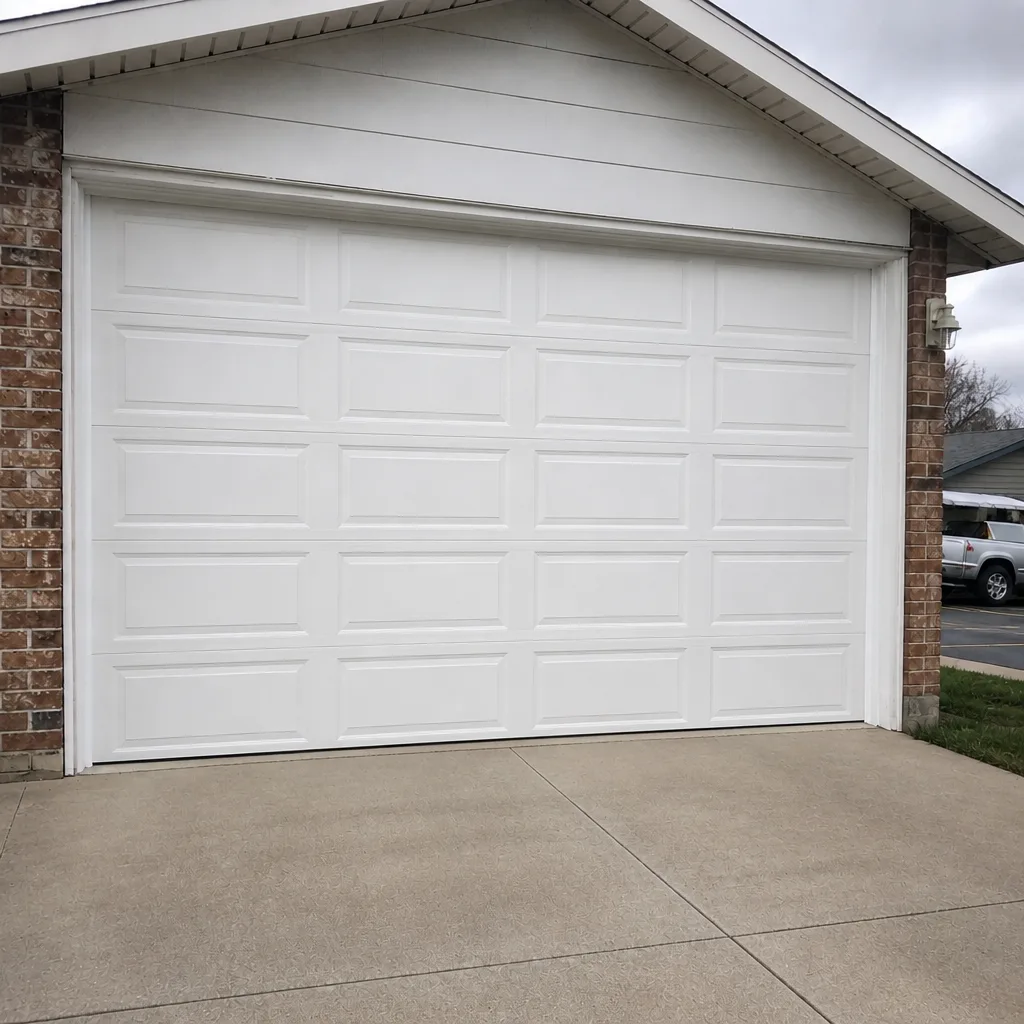
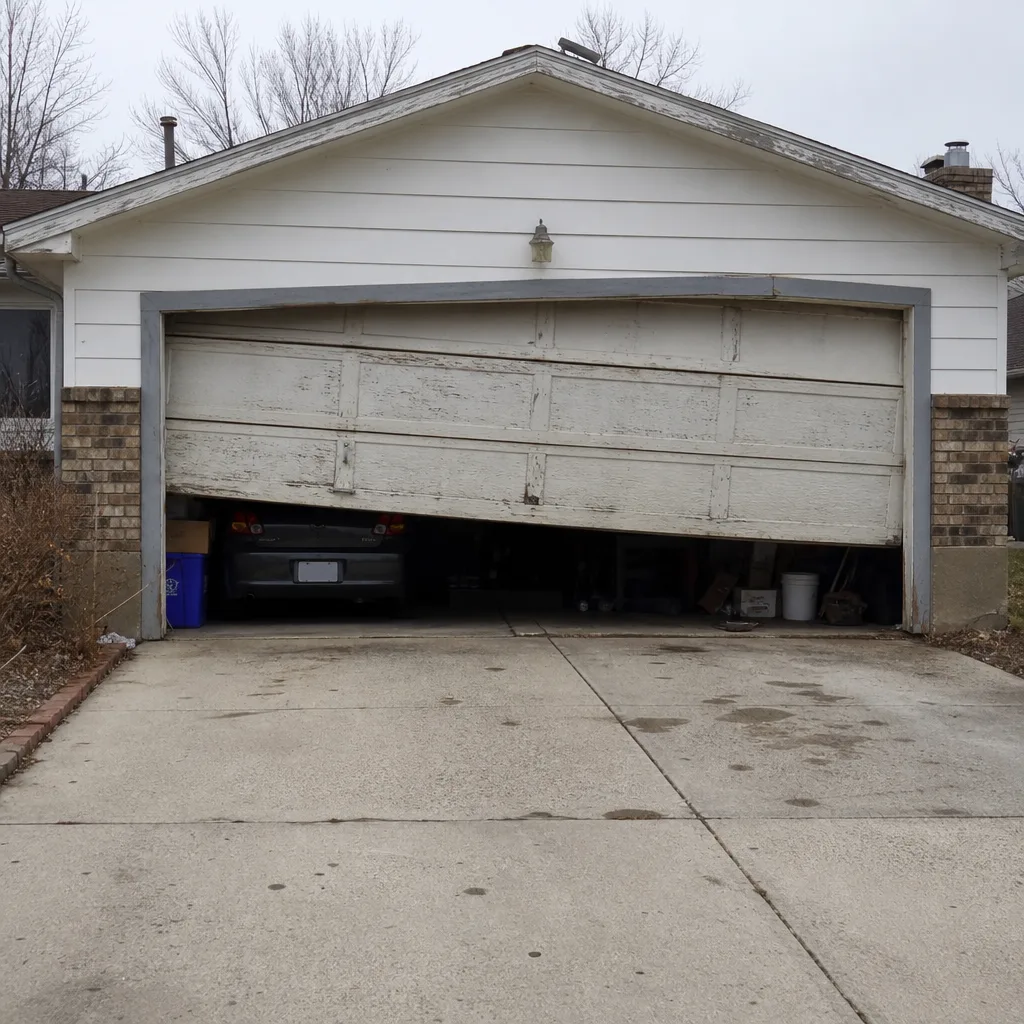
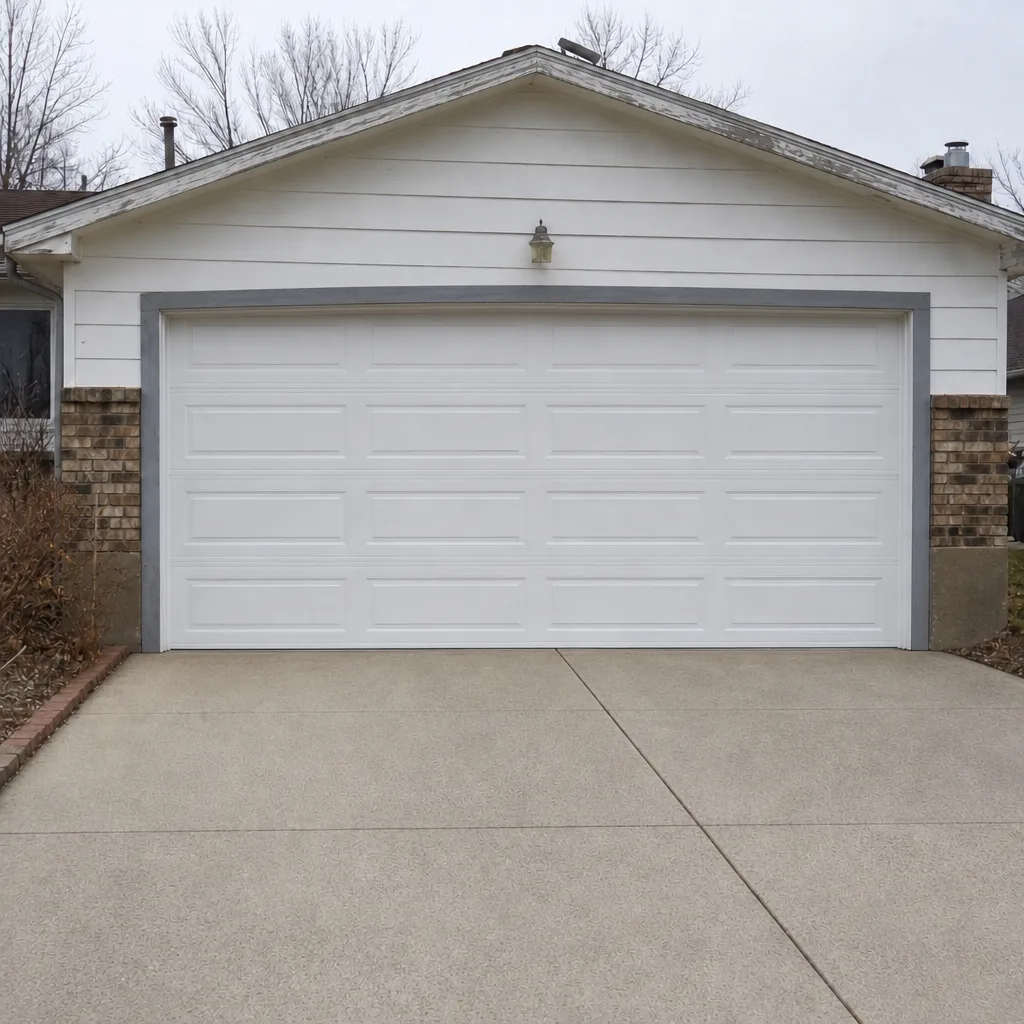
See the difference
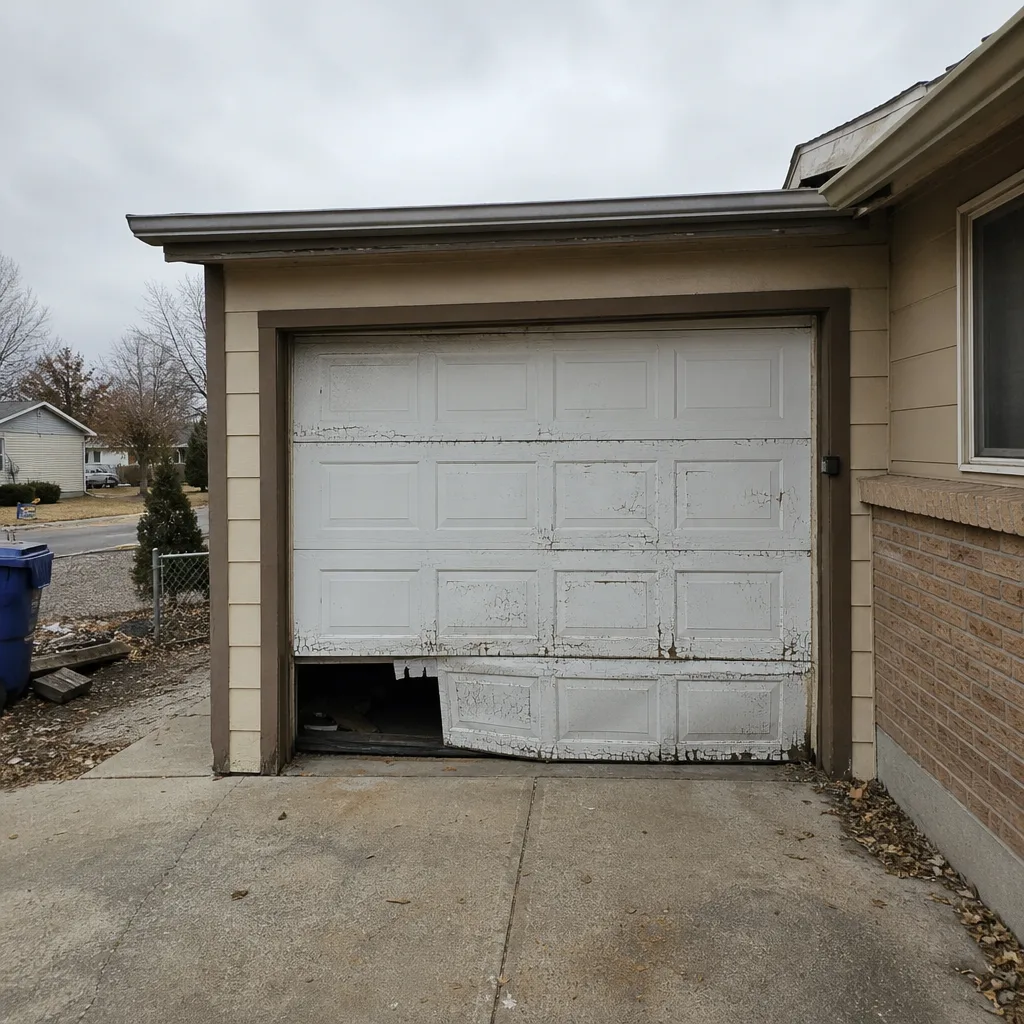 Before
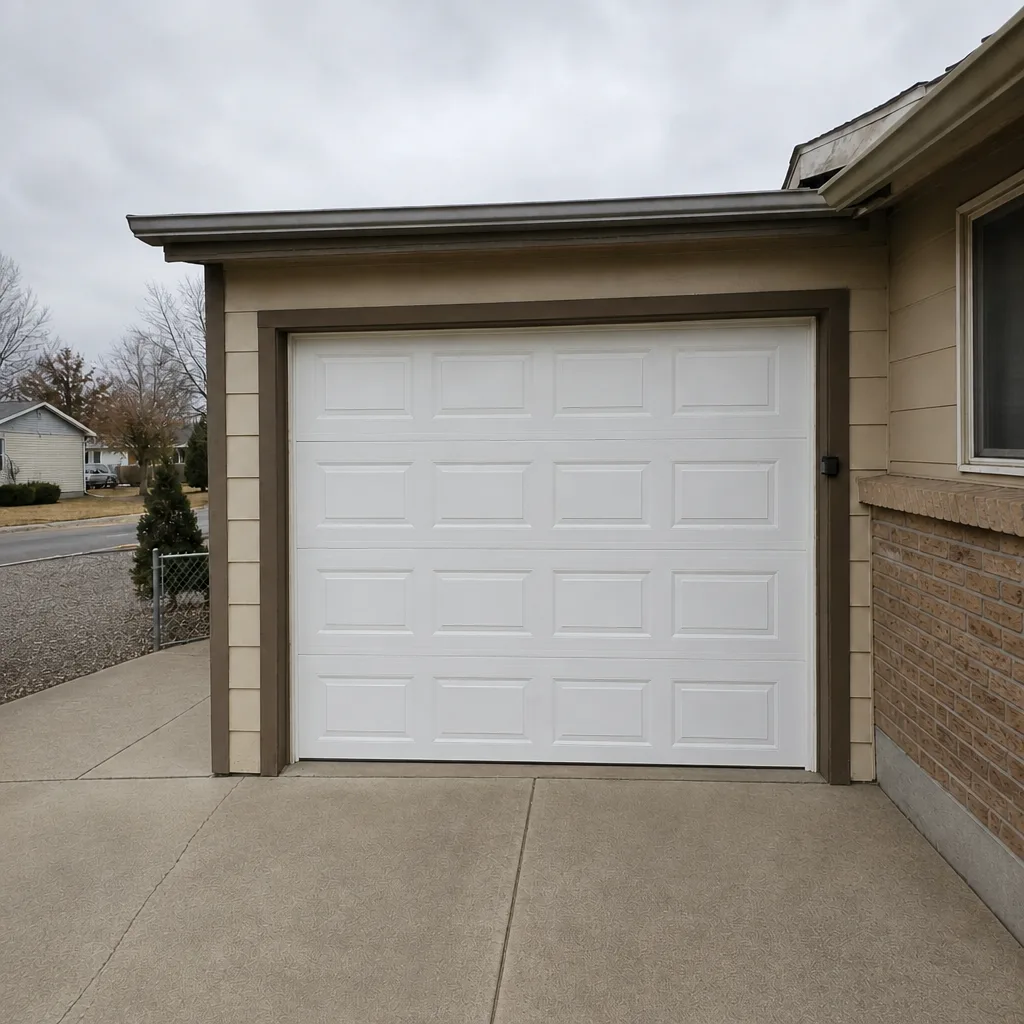 After
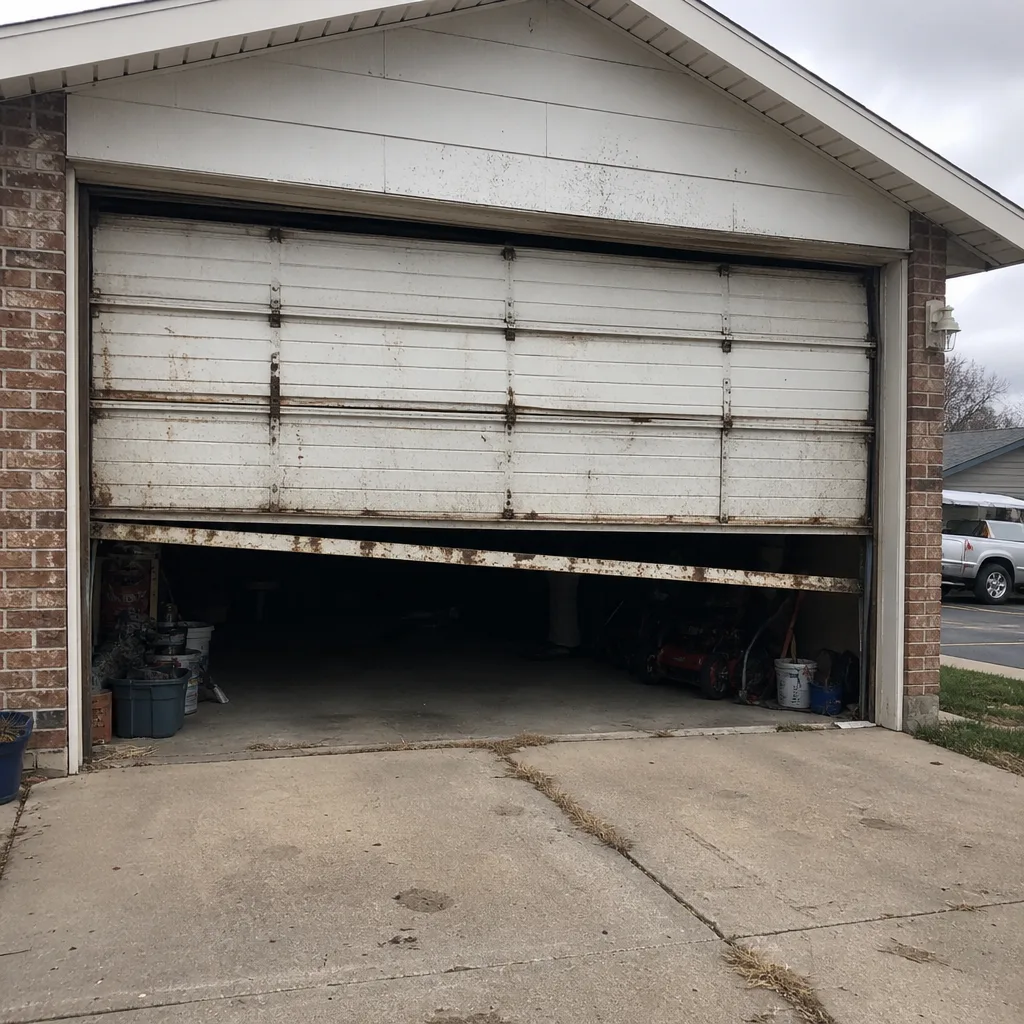 Before
 After
 Before
 After
When to Call a Professional
Call a professional the moment the work involves springs, cables, the opener’s electrical connection, or anything structural. Those are the parts where a mistake causes real injury or real cost. If your door is binding, the opener is running but the door isn’t moving, the spring has broken, or the door has come off its track, that’s a same-day repair in most cases. If you’re planning a replacement and unsure whether a permit applies, we can walk through the scope with you and tell you what needs the city and what doesn’t. Northbridge Garage Door Repair offers free estimates in West Jordan. Call (888) 594-1936. We answer 24/7. Fast dispatch from 7am to 7pm, Sunday through Friday.
Frequently Asked Questions
In most cases, no. A same-size replacement in the same opening, along with the opener replacement on the existing circuit, is typically permit-exempt. The exceptions are projects that change the opening dimensions, modify the header, add a new electrical circuit, or alter the fire-rated door between the garage and the house. Call the West Jordan Building Department with your address and scope to confirm before you order. If you’re unsure and want a conservative read, call (888) 594-1936 and we’ll tell you what we see on similar jobs.
Only if the new opener needs a dedicated circuit. If a 120-volt outlet already exists in the ceiling and the opener plugs into it, no electrical permit is needed. If you’re adding a dedicated breaker, running new wire, or moving the outlet, an electrical permit is required and a licensed electrician should do the work. Replacing a broken LiftMaster or Chamberlain on the existing wiring is a repair, not a new install.
Under the International Residential Code as adopted in Utah, the door between an attached garage and the living space must be a fire-rated assembly with a self-closing device. The door carries a label from the manufacturer stating that rating, and the label is what the inspector checks. Trimming the door, cutting it for a pet door, or swapping in a non-rated door voids the rating. If your West Jordan home has the original door from the 1970s or 80s, check the label. If it’s missing, plan for the upgrade at some point.
Contact the West Jordan Building Department with the address, the scope, and the drawings. For electrical work that’s a circuit diagram; for structural work that’s the engineering for the header. Submit the application, pay the fee, schedule inspections at the stages the city requires, and close the permit with a final inspection. If a licensed contractor is doing the work, the permit should name the contractor, not the homeowner.
It can. Lenders frequently require electrical work to be permitted and inspected before funding a loan, and a buyer’s inspector will note an undocumented circuit feeding the garage. The standard remediation is to pull a retroactive permit and pass inspection, or to remove the unpermitted work. Either option costs more than the original permit would have. If you’re selling in the next year and know the garage circuit was added without a permit, it’s worth getting ahead of it now.
On your own primary residence, Utah allows a homeowner to pull a permit for work they’ll do themselves, and a same-size replacement typically doesn’t need a permit at all. But garage door work is dangerous. The torsion spring, the cables, and the door weight itself cause serious injuries every year. Springs and cables are not a homeowner job. Same goes for any electrical work at the panel. If you want the door replaced without the risk, call (888) 594-1936 for a free estimate. We answer 24/7. Fast dispatch from 7am to 7pm, Sunday through Friday.
The Bottom Line
Most garage door work in West Jordan is permit-exempt, and that’s the answer most homeowners are looking for. The exceptions are the ones that matter: electrical circuits for openers, structural header modifications, new rough openings, and any change touching the fire-rated door between the attached garage and the living space. Pull the permit when one is required, let the entity doing the work pull it, and close it with an inspection. The cost is small next to the remediation cost of an unpermitted job at sale. Our team works on the brand you already have, and we’ll tell you exactly what’s wrong and what it will cost before we start. If your project crosses into permit territory, call (888) 594-1936 for a free estimate. We answer 24/7. Fast dispatch from 7am to 7pm, Sunday through Friday.
Written by the team at Northbridge Garage Door Repair, serving West Jordan since 2012.