
Last updated November 14, 2026
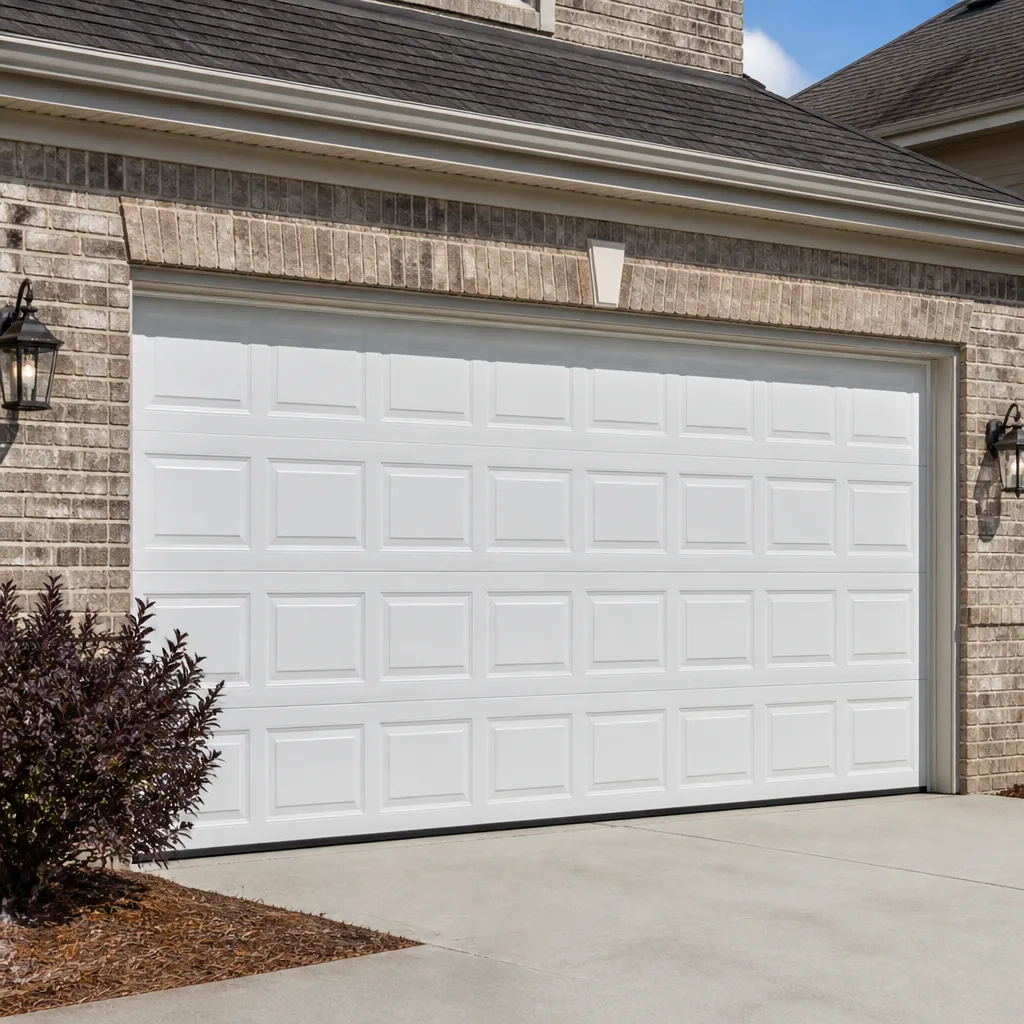 Raised-panel steel
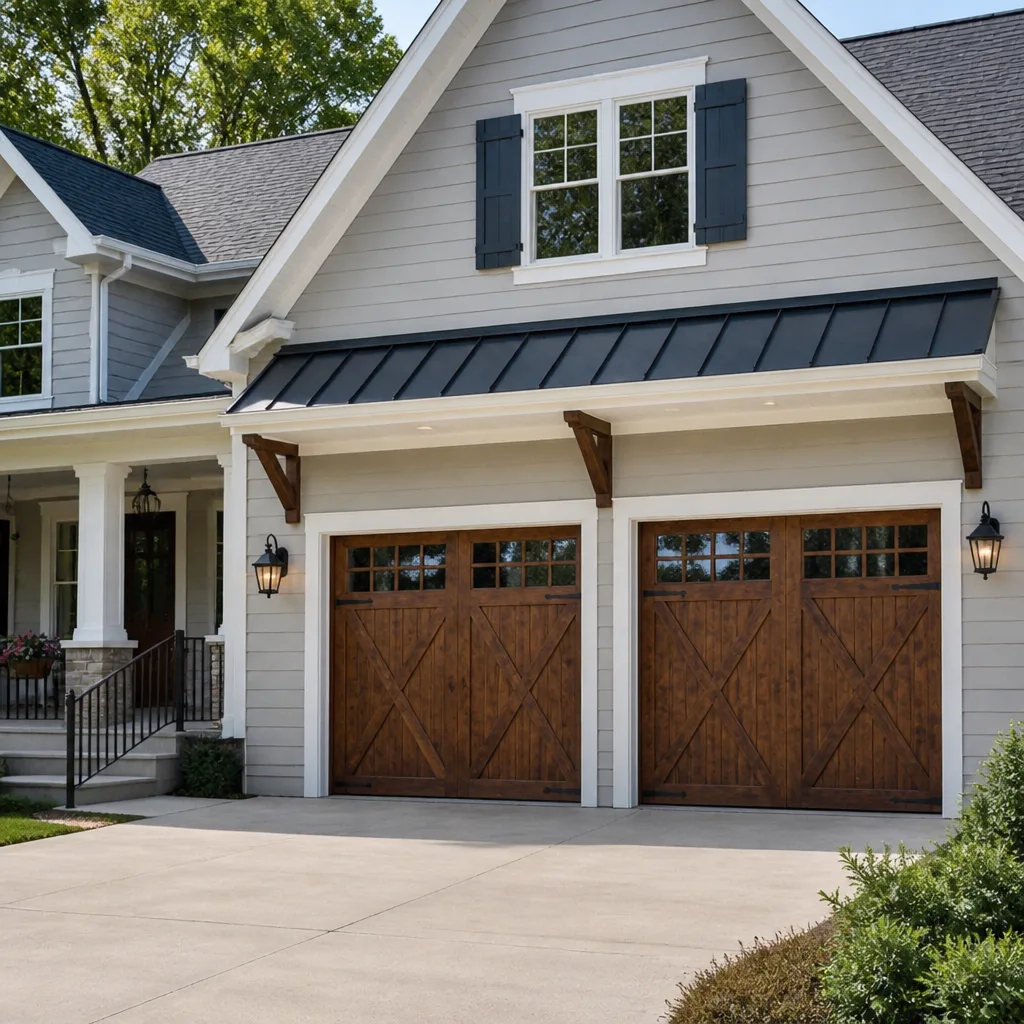 Carriage house
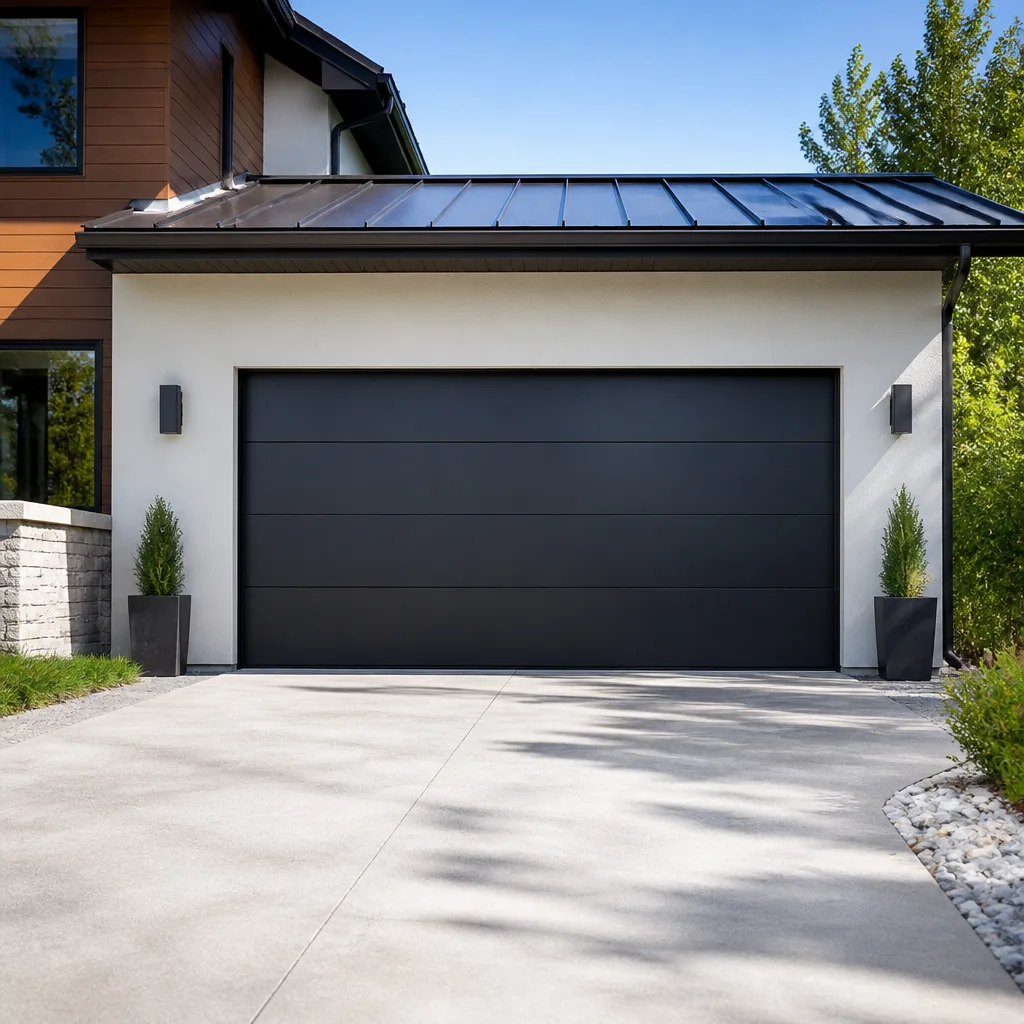 Modern flush
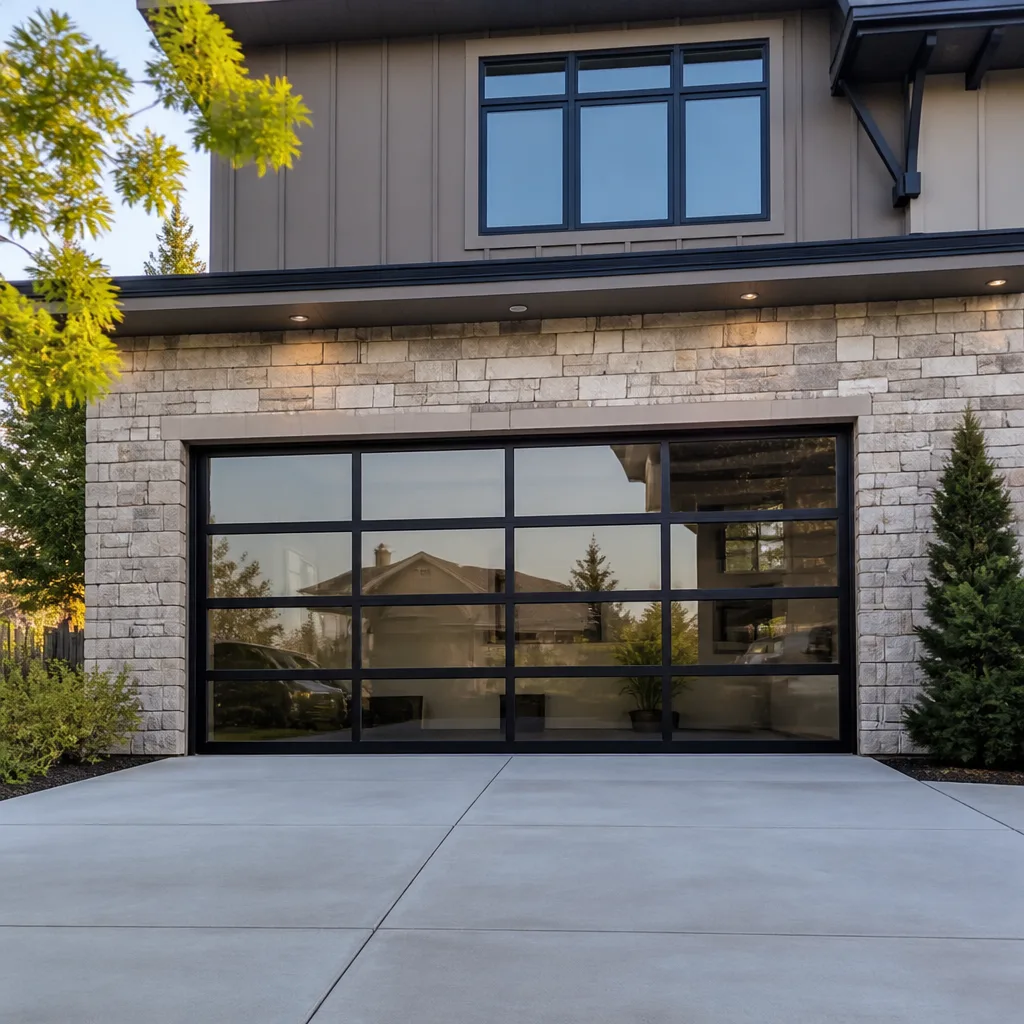 Full-view glass
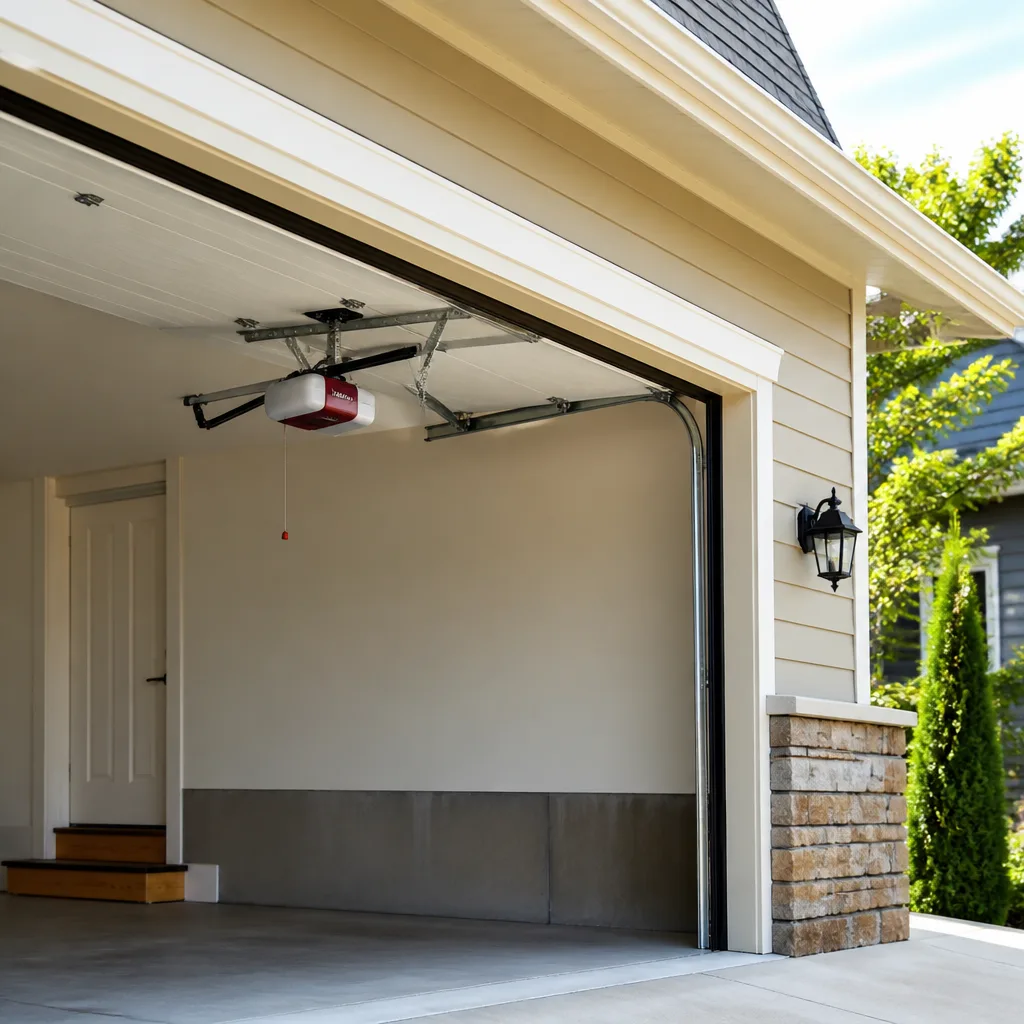 LiftMaster openers
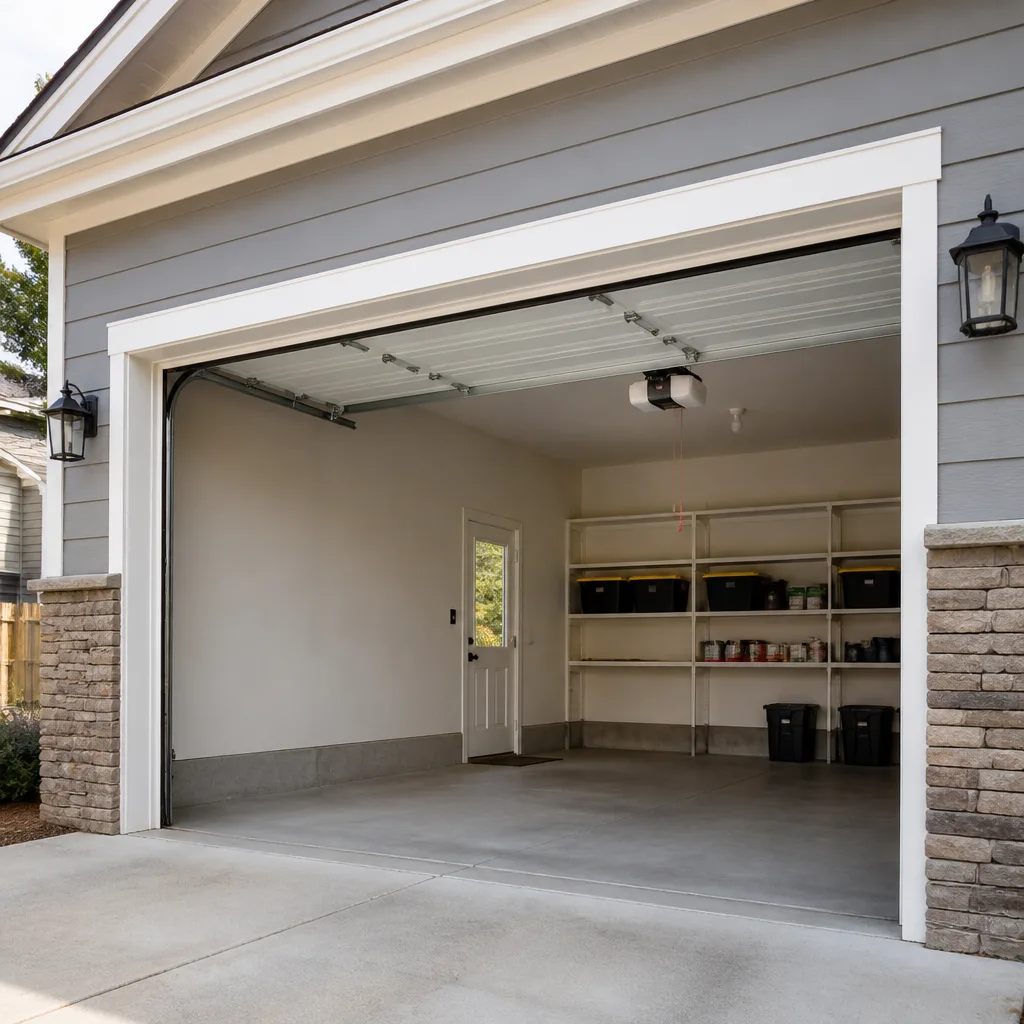 Chamberlain openers
Full 25-point door and opener safety check with every visit - springs, cables, rollers, tracks, and your LiftMaster or Chamberlain opener included
You get a price before we start. It does not change when the truck arrives.
Get your free estimateSeasonal Garage Door Care for West Jordan: Year-Round Homeowner’s Guide
Most homeowners in West Jordan run the same checklist every year: lubricate the hinges, tighten the bolts, call it done. That routine misses the real story. The four seasons here don’t stress your garage door equally, and they don’t attack the same parts. A steel Clopay door baking through a July afternoon in the Jordan River valley is fighting a different enemy than the same door in a February cold snap, and a bottom seal that held up fine through a dry summer can let water and ice creep underneath after the first big freeze. This guide maps each season to the components it actually threatens, so you spend your effort where it counts. You’ll learn what to inspect, when to inspect it, and how a 15-minute walk-around beats a generic annual tune-up sitting on a calendar you forget to check.
Quick Answer
Garage door care in West Jordan works best when it follows the seasons rather than a single annual checklist: heat degrades seals, finish and opener behavior in summer; fall is the most cost-effective window for a pre-winter spring inspection and lubrication; winter brings ice at the bottom seal and cold strain on the opener; spring means checking track alignment after freeze-thaw movement. A simple 15-minute walk-around in September and again in March catches the top four weather-related failure points, and anything involving springs or cables should go to a trained technician.
Styles & brands we work with
- Raised-panel steel
- Carriage house
- Modern flush
- Full-view glass
- LiftMaster openers
- Chamberlain openers
Table of Contents
- Why West Jordan’s seasons hit your garage door differently
- Summer: UV, bottom seals, and what heat does to your opener
- Fall: your most cost-effective inspection window
- Winter: ice at the bottom seal and cold-weather opener strain
- Spring: track alignment after freeze-thaw movement
- The 15-minute seasonal walk-around
- Common mistakes to avoid
- When to call a professional
Why West Jordan’s seasons hit your garage door differently
A garage door is a metal and rubber system sitting in the most exposed, least conditioned part of your house. Every season changes the temperature and humidity around it, and those changes pull on different parts. The bottom seal expands and contracts. Steel panels flex slightly with temperature. Lubricant thickens in the cold and thins in the heat. The opener motor runs warmer in a hot garage and colder in a freezing one. None of this happens in a smooth monthly rhythm, which is why a seasonal approach makes more sense than a fixed monthly checklist.
Late October matters more than most homeowners realize. When the first sustained cold snap arrives in West Jordan and the temperature stays down for several days, the metal in your springs loses some of its tolerance for the tension it’s been holding all year. A spring that was already working past its limits through a summer of heat cycling can reach the end of its life right around then. We’ve seen this pattern repeat across the valley, and it’s why the health of your springs is worth checking in September, before the cold locks in.
There’s a geography factor too. West Jordan sits on gentle slopes that drain toward local waterways, and freeze-thaw cycles in the ground can shift the slab a little over winter. That movement doesn’t always show up in the door itself. It shows up in the tracks, which is why spring is the time to look at alignment. Pair that with the dust and grit that collects through a dry summer, and you start to see why each season gets its own priorities.
If you’ve never thought about your door this way, you’re not alone. The point isn’t to make maintenance complicated. It’s to stop wasting effort on the wrong part at the wrong time. Here’s the honest version: most of the trouble a door runs into in West Jordan can be spotted early, and spotting it early is what keeps repair bills small. That’s the whole idea behind this guide.
Summer: UV, bottom seals, and what heat does to your opener
Summer in West Jordan is dry, bright, and long on sun, and that combination wears on the soft parts first. The rubber bottom seal takes the most direct UV exposure of any component on the door. Over a season, UV dries the rubber, causes it to stiffen and hairline-crack, and eventually lets it pull away from the bottom of the door. Once that seal loses its flexibility, it stops doing its two jobs: cushioning the door as it lands and closing the gap against drafts, dust, and weather. A stiff seal on a steel door is also a good way to start a small alignment problem, because the door no longer seats evenly across the opening.
Paint finish on steel doors is the second summer casualty. UV doesn’t fail a finish overnight, but it does gradually break down the topcoat on the sun-facing panel. Check the panel that faces the sun in the afternoon and look for fading, chalking, or a dull sheen that won’t buff out. If that finish starts to give, bare steel underneath is exposed to moisture in the air, and that opens the door to rust over time. Keeping the finish intact through summer is cheaper than repainting or replacing a panel later.
The opener is the third piece to watch. A garage in July can get significantly hotter than the outside air, and many openers have thermal protection built into their motors. When the motor gets too hot, it shuts itself off for a while rather than cooking. That’s a safety feature working as designed, not a failure. If your LiftMaster or Chamberlain opener seems to “pause” on a hot afternoon and then works fine later, that’s the likely cause.
- Check the bottom seal at the end of summer for stiffness, cracks, or gaps. Flexibility is the test, not just appearance.
- Wipe down steel panels and look at the sun-facing side for fading or chalking that hints at a failing finish.
- Keep the garage ventilated during hot afternoons so the opener motor isn’t working in trapped heat.
- Listen for strain from the opener. A motor working harder than usual may be fighting a stiff door or a failing seal.
A bottom seal that’s been through a dry summer and stiffened up won’t always fail loudly. If the door starts to close with a slightly different thud, or you notice daylight or dust slipping under the edge, that seal is telling you something. That’s usually the point where a professional can catch it before it becomes a door problem rather than a seal problem. If your opener is the part that’s struggling in the heat, take a look at our garage door opener repair service.
Fall: your most cost-effective inspection window
Fall is the most important season for garage door care in West Jordan, and it’s also the cheapest time to act. Here’s why. The October cold snap is when springs that have been holding up all year finally reach their breaking point. You can’t see inside a spring, but its condition can be assessed before the cold arrives. A trained technician can measure the tension, look for a worn or stretched spring, and tell you whether it’s near the end of its life. Catching that in September means you can plan a repair on a normal schedule instead of dealing with a broken door and a car stuck inside it on the coldest morning of the year.
Lubrication is the other reason fall matters. Lubricant does its job best when it’s applied before the temperature drops. If you wait until January, the cold has already stiffened the moving parts and the lubricant you apply is working against a problem that started weeks earlier. Applying a suitable lubricant to the hinges, rollers, and track contact points in the fall keeps the door moving smoothly into the cold months, when lubrication does more visible work.
There’s a hard safety line here that’s worth stating plainly. Garage door springs are under high tension, and the cables that run with them carry that tension across the whole system. A spring that fails while someone is working near it or on the door can cause serious injury. We don’t recommend adjusting, winding, or replacing springs yourself. What you can do is inspect and lubricate the safe, low-tension parts of the door and leave the spring and cable work to a technician. On that point, if this is your first time working through a maintenance routine, our guide to garage door repair can give you a sense of what a proper repair visit looks like.
Fall is also a good moment to check the weather stripping at the sides and across the top of the opening, since those parts do more work once the temperature drops and the wind picks up. If they’re cracked or pulling away, replacing them in fall keeps cold air and moisture out of the garage through the winter.
- Schedule a pre-winter spring inspection in September, before the first sustained cold snap.
- Apply lubricant to hinges, rollers, and track contact points while temperatures are still mild.
- Check side and top weather stripping for cracks or gaps.
- Test the reverse and safety features on the opener before the cold months.
- Give the door a careful open and close by hand to feel for tight spots or uneven movement.
- Clear leaves and debris out of the track housing.
If you get only one piece of maintenance done this year, make it the fall spring inspection. Everything else is easier to catch and cheaper to fix. A spring that fails mid-winter doesn’t just cost a repair; it costs the disruption of a door that won’t open when you need it most. Northbridge Garage Door Repair offers free estimates in West Jordan, and our team can inspect the spring and the rest of the system in one visit. Call (888) 594-1936 to set it up. We answer 24/7, with fast dispatch from 7am to 7pm, Sunday through Friday.
Winter: ice at the bottom seal and cold-weather opener strain
Winter is the season that punishes the bottom of the door. When the ground freezes and the temperature hovers around the freeze line, moisture near the garage slab can freeze under the bottom seal and effectively glue the door shut. The door feels stuck, the opener strains to lift it, and if you force it, you risk bending the bottom section. That’s the most common winter pattern in West Jordan, and it’s why the seal you checked in summer matters so much going into winter.
The right way to handle a frozen door is to free it gently, not wrench it. Here’s how a trained technician or a careful homeowner can think about it:
- Don’t force the door. If the opener struggles, stop and disconnect the door from the opener so you’re moving it by hand.
- Look along the bottom edge for ice. Use a plastic scraper or warm water to break the bond, never a metal tool that could gouge the seal or pit the steel.
- Once the door is free, lift it slowly by hand and check that it travels without catching.
- Deal with the source. If you’re getting repeat ice at the same spot, the seal or the slab drainage likely needs attention.
Cold weather also strains the opener. Freezing temperatures make the lubricant thicker and the door harder to move, and the motor has to work harder to do the same job. If your opener hesitates, runs longer than it should, or sounds strained in the cold, that’s a sign the door or the opener needs attention. It’s also worth remembering that older systems, including some Craftsman models, have their own behaviors in the cold, and a technician familiar with the brand can tell you whether the strain is normal or a sign of a failing part.
You can’t control the weather, but you can make the door easier on itself in winter. Keep the seal in good condition so it cushions rather than locks. Keep the tracks clear of debris and hardened snow so the door doesn’t bind. And if a door does fail on a Saturday, when we’re closed, you can still call and we’ll book you for Sunday. Same-day service is available on regular dispatch days, and same-visit repair is how most systems get back in service. If you need garage door repair in West Jordan in the middle of winter, call (888) 594-1936.
Spring: track alignment after freeze-thaw movement
Spring is when you find out what winter did to the ground. The freeze-thaw cycles of a West Jordan winter can move the slab and the surrounding soil a little, and that movement shows up in the garage door tracks. A track that was plumb in October can be slightly out of alignment by March, and a track that’s out of true makes the door bind, jump, or drag along one side. The door itself may be fine. The problem is the path it travels on.
The first thing to do in spring is look at the tracks with the door closed, then open it partway and look again. What you’re checking for is simple: are the tracks straight, parallel, and free of dents or kinks? Does the roller on each side sit evenly in its track? Is there a spot where the door seems to hang or rub? If you find a dent in the track from something bumping against it, a technician can usually straighten or replace that section rather than the whole track.
Debris is the other spring job. Over the course of a winter, dust, grit, hardened snow, and whatever the wind blew in can collect in the track housing and around the bottom of the door. That debris doesn’t just look messy; it acts like sandpaper on the rollers and can cause the door to bind. Cleaning it out is a simple job that extends the life of the rollers and keeps the door moving smoothly. Use a stiff brush or a vacuum, not a hose, and don’t use solvents that could strip the finish or dry out the seals.
Spring is also the right time to do a full post-winter walk-around. Look at the seal that survived the winter. Check the weather stripping. Test the opener’s safety reverse. Lubricate the hinges and rollers that got stiff through the cold months. And if the door has been making a new noise all winter, spring is when you find out whether it’s a loose bolt or something more serious. Most systems come through winter fine; the ones that need attention usually show it in spring, which is exactly when a careful look pays off.
The 15-minute seasonal walk-around
You don’t need a tool kit or a training class to do the most valuable maintenance on your door. You need a flashlight and 15 minutes, twice a year. This walk-around catches the four weather-related failure points that account for most of the trouble we see in West Jordan: the bottom seal, the springs, the tracks, and the opener.
Here’s the routine, done once in spring and once in fall:
- Bottom seal (3 minutes). Look along the bottom edge of the closed door. Check for stiffness, cracks, gaps, or pieces that have pulled away. Press the rubber with your thumb to see if it’s still flexible.
- Springs and cables (3 minutes). Look up. Never touch, adjust, or wind a spring or cable. Just look for obvious problems: gap, stretch, rust, or a spring that looks different from its partner. If something looks wrong, that’s a call to a technician, not a job for you.
- Tracks (4 minutes). Look at both tracks from floor to ceiling. They should be straight and parallel. Look for dents, kinks, or debris packed into the housing. Open and close the door partway and watch for binding.
- Opener (5 minutes). Open and close the door with the opener. Listen for new noises, hesitation, or strain. Test the safety reverse feature, and if your opener has a light and a manual, follow the manufacturer’s test steps.
Note what you find each time. A short record of what the door looked and sounded like last season makes it obvious when something changes. If you catch a stiff seal in September and a slow opener in March, you can act on each before it becomes a repair. That habit is the single biggest thing a homeowner can do to keep a garage door working through a West Jordan year.
Common Mistakes to Avoid
- Running a generic annual checklist. Every garage door care article tells you to lubricate and tighten bolts, but that skips the seasonal threats. A summer UV check on the seal and a fall spring inspection do more than the same five generic steps every month.
- Waiting for the first cold snap to check the springs. By the time the cold arrives in West Jordan, a stressed spring may already be at its limit. Inspect in September, when a technician can still catch it before the temperature drops.
- Forcing a frozen door. Yanking on a door that’s frozen at the bottom seal can bend the bottom section and damage the opener. Free it gently, by hand, and deal with the seal afterward.
- Ignoring a stiff bottom seal in summer. A seal that’s dried and hardened through a dry summer won’t cushion the door in winter, and a stiff seal often leads to alignment problems. Replace it while the weather is mild.
- Skipping the track cleaning. Grit in the track housing wears the rollers and makes the door bind. A few minutes with a brush in spring extends the life of the hardware.
- Trying to fix springs or cables yourself. These parts are under high tension, and a spring or cable that lets go can cause serious injury. Leave any spring or cable problem to a trained technician.
- Treating a hot-weather opener pause as a breakdown. Many openers have thermal protection and will pause in a hot garage. If your opener pauses and then works, that’s the motor protecting itself, not a part you need to replace.
See the difference
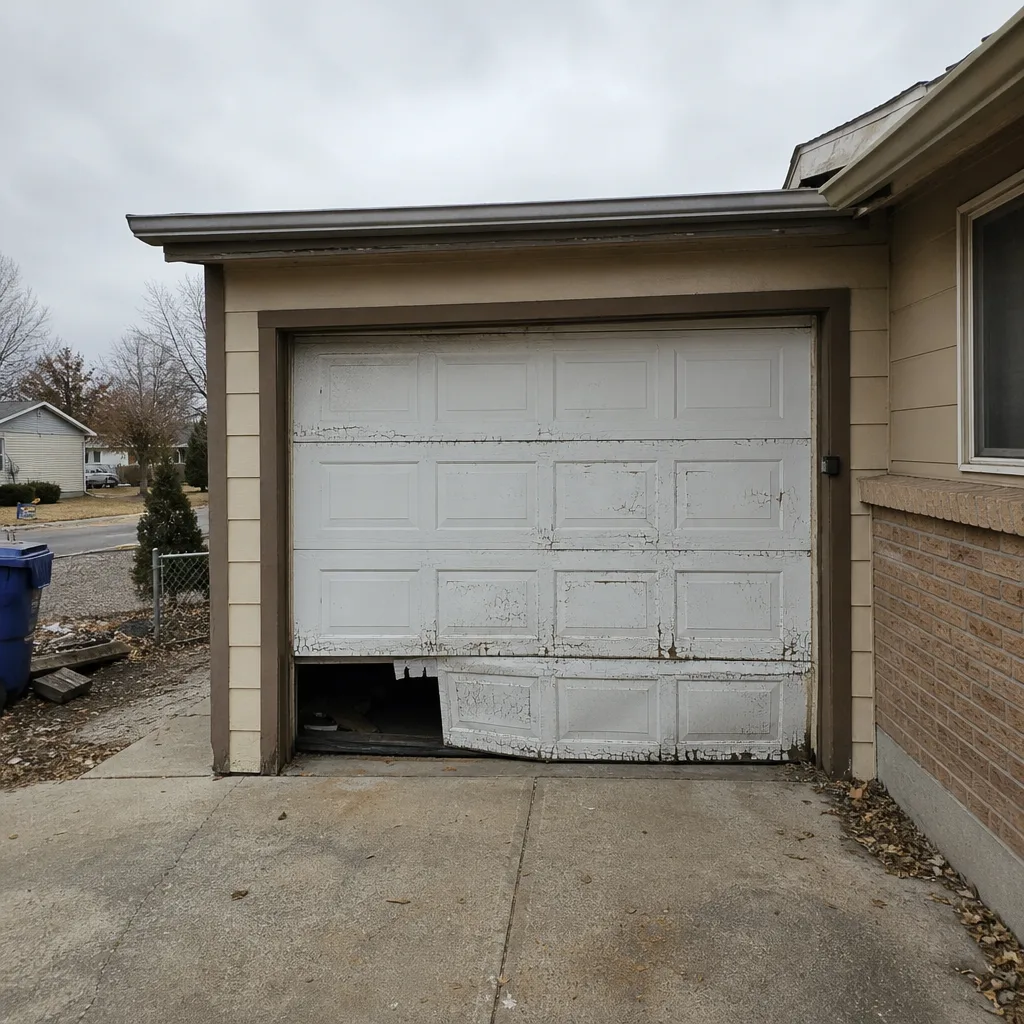 Before
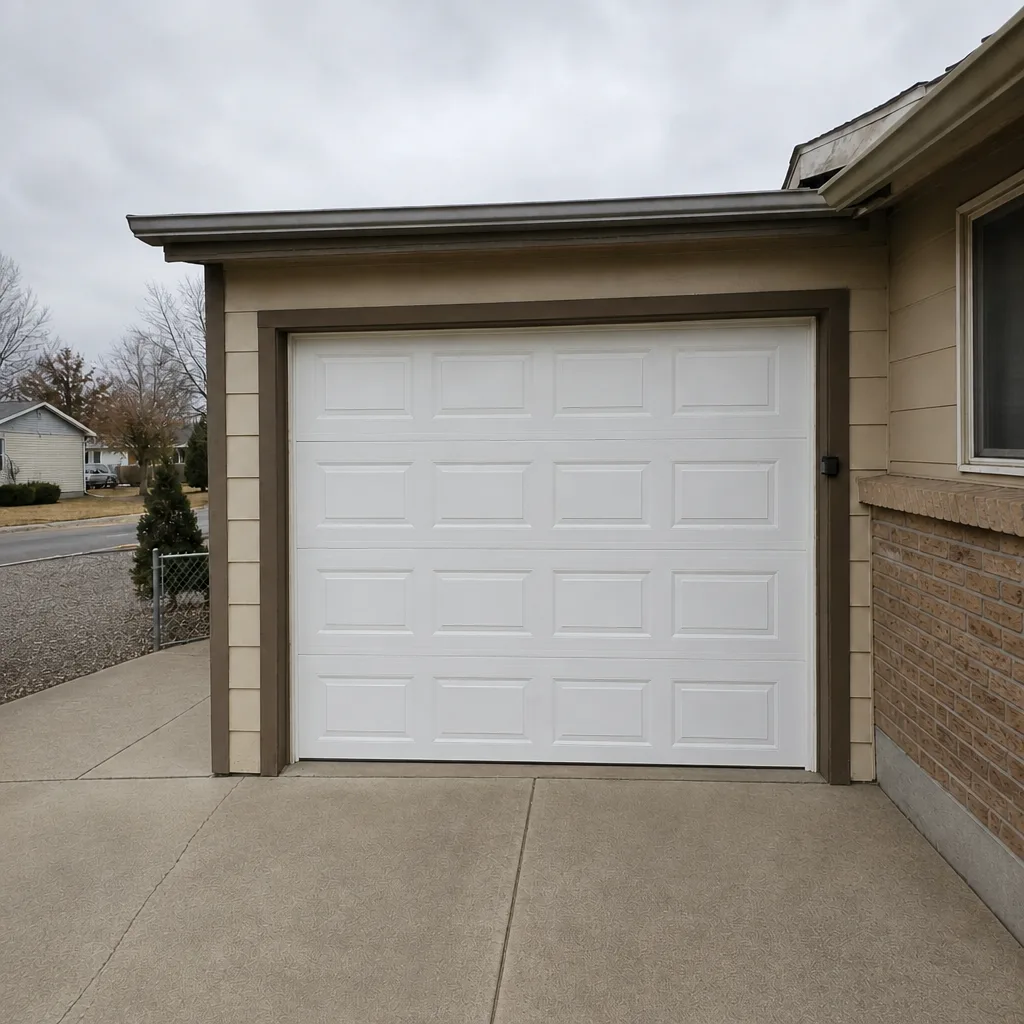 After
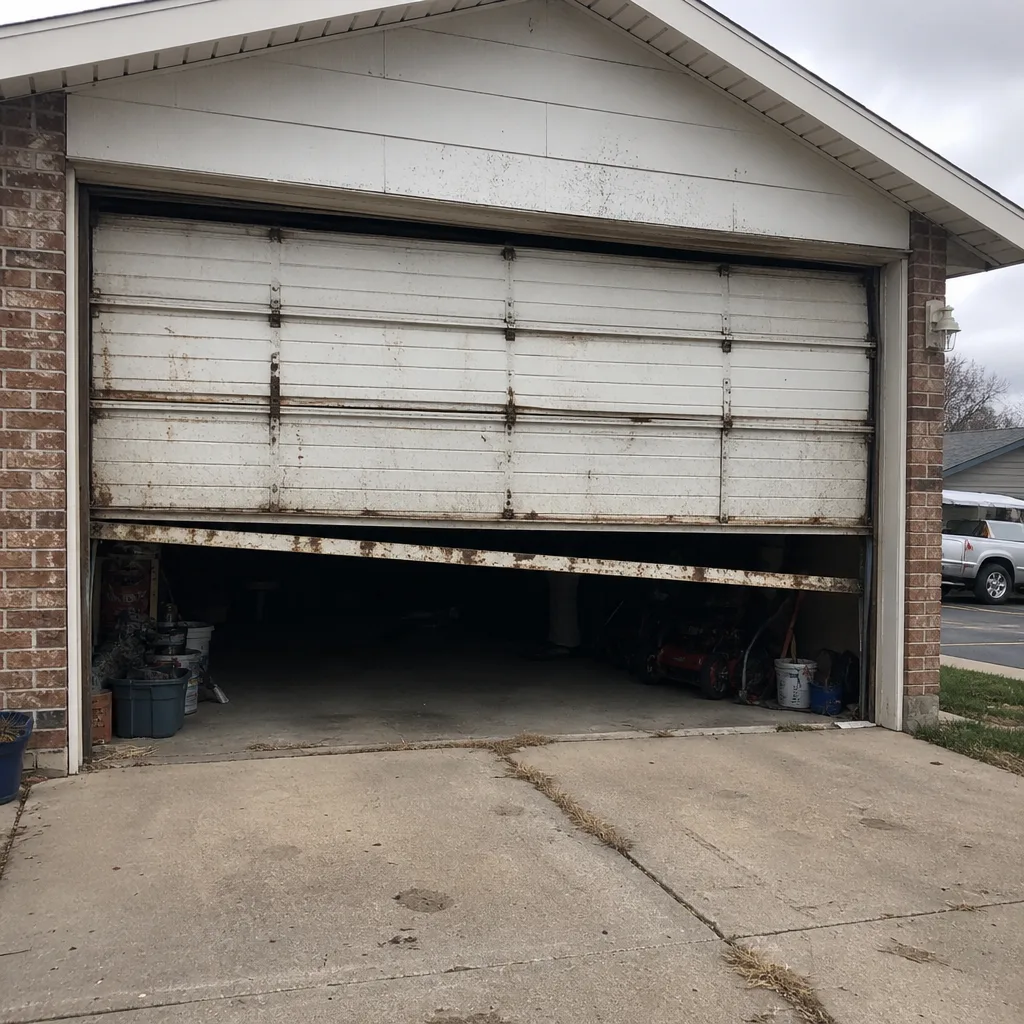 Before
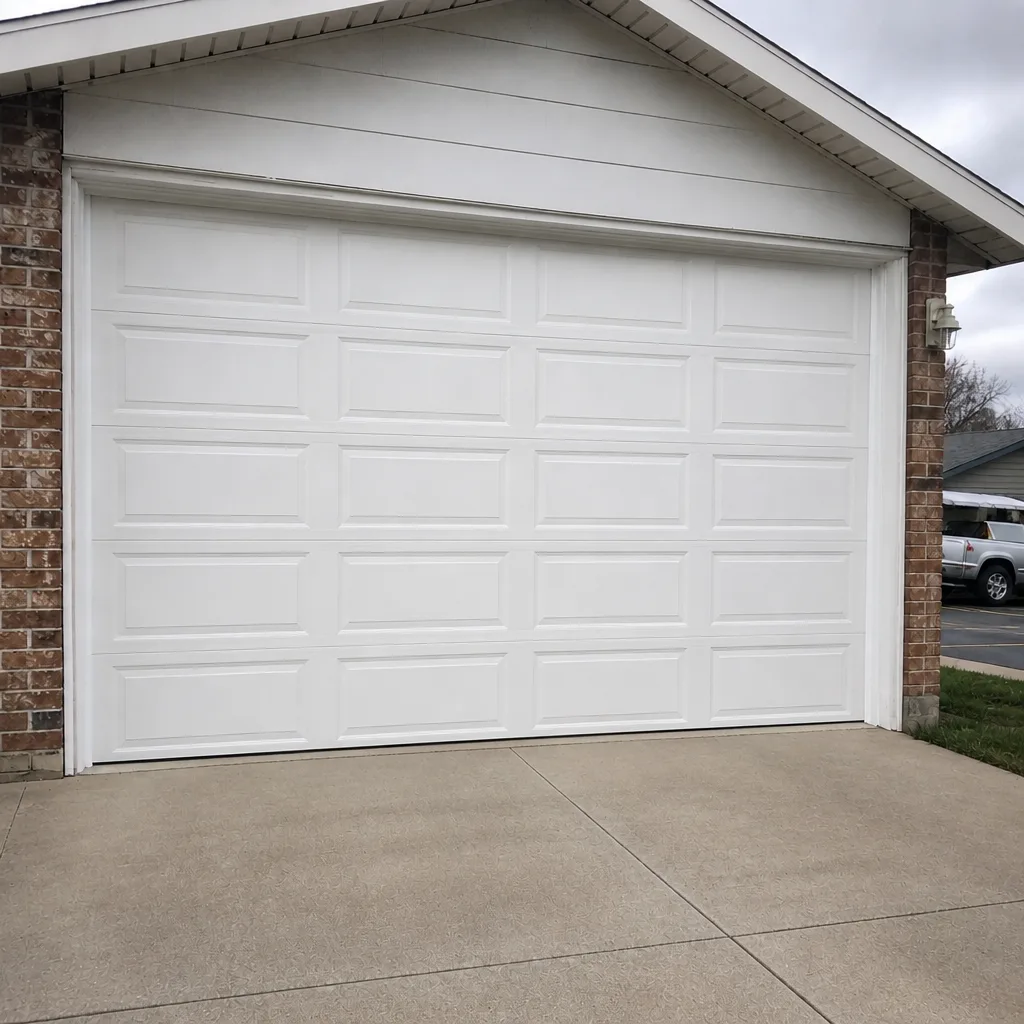 After
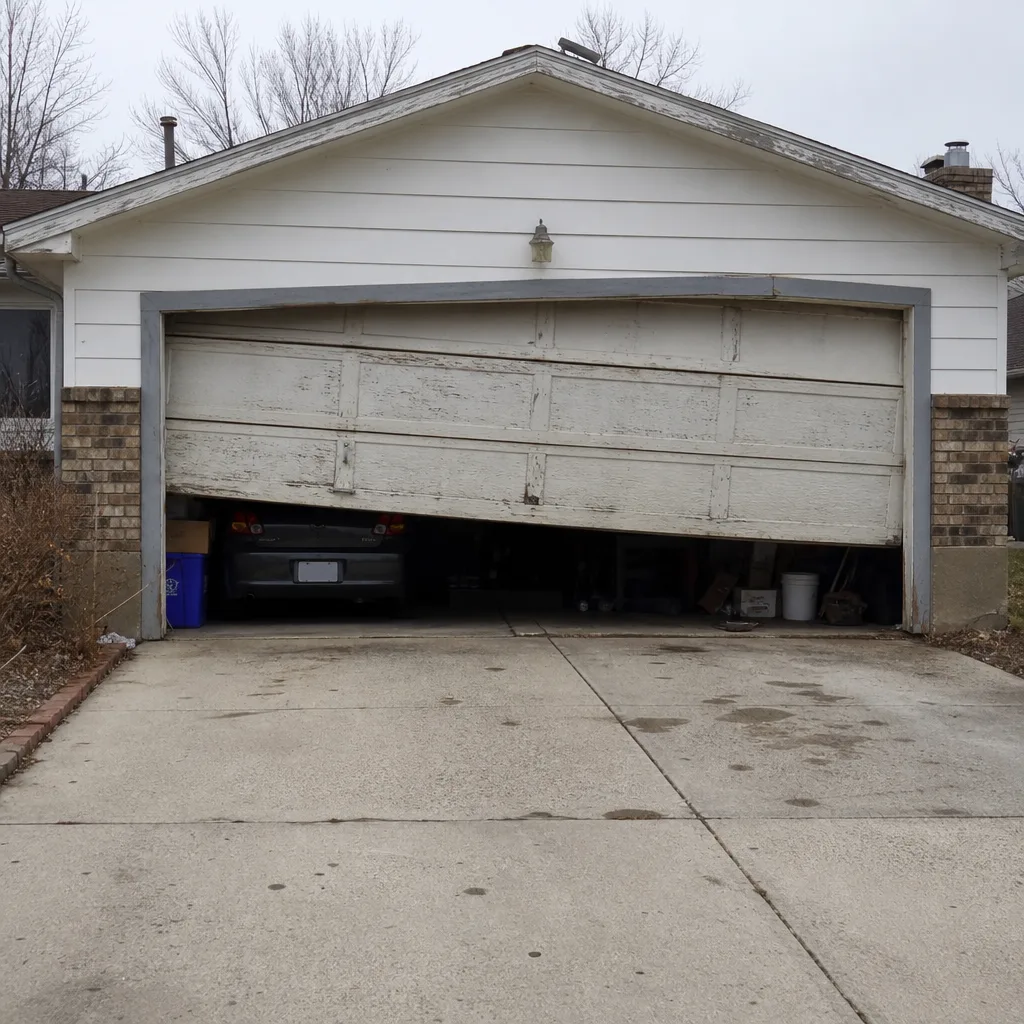 Before
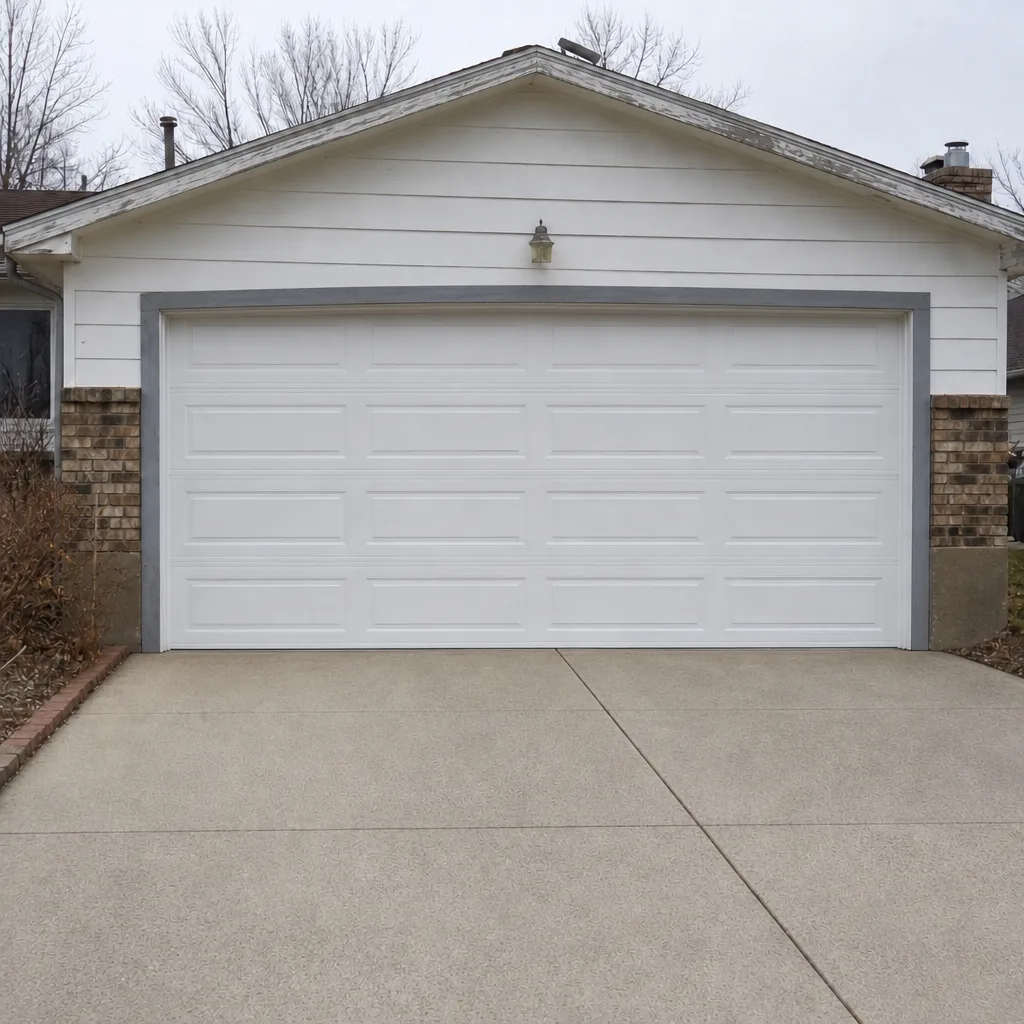 After
When to Call a Professional
Some maintenance is a homeowner’s job, and some is a technician’s. The line is safety. If a spring looks wrong, if a cable is loose or frayed, or if the door moves unevenly, stop and call a professional. Those parts are under high tension, and a mistake can cause serious injury. Call a professional if the door won’t open or close smoothly, if the opener strains or hesitates, if the door is out of alignment, or if you’ve had a spring break and you’re not sure of the condition of the other one. Matched pairs are usually replaced together, so a single broken spring usually means looking at both.
Northbridge Garage Door Repair offers free estimates in West Jordan, and our team works on the brand you already have across eight major brands, including LiftMaster, Chamberlain, Genie, Clopay, Amarr, Wayne Dalton, Craftsman, and Raynor. We’ll tell you exactly what’s wrong and what it will cost before we start, and we repair first rather than pushing a replacement. Call (888) 594-1936. We answer 24/7. Fast dispatch from 7am to 7pm, Sunday through Friday.
Frequently Asked Questions
The best single time is fall, in September, before the first sustained cold snap. That’s when a spring inspection is most cost-effective and when lubrication does the most good before the cold arrives. Add a spring walk-around in March to catch track alignment after the winter’s freeze-thaw movement.
Because the first sustained cold snap lowers the tension tolerance of metal springs that have already been stressed through a summer of heat cycling. The spring doesn’t fail because of the cold itself; the cold is the final straw on a spring that was already near the end of its life. That’s why inspecting in September matters.
Yes, if you do it gently. Disconnect the door from the opener, look for ice along the bottom edge, and free it with a plastic scraper or warm water, never a metal tool. Never force the door, since that can bend the bottom section and damage the opener. If the door keeps freezing at the same spot, the seal or the slab drainage needs attention.
Often, yes. Many openers, including several LiftMaster and Chamberlain models, have thermal protection that shuts the motor off briefly when it gets too hot. If it pauses and then works fine later, that’s the safety feature working as designed. If it struggles even after the garage cools down, the door or the opener needs a look.
Yes. Springs and cables are under high tension, and adjusting or replacing them yourself is genuinely dangerous. A trained technician can check the springs, tell you whether they’re near the end of their life, and handle any repair safely. Never touch, wind, or adjust a spring or cable.
Prices vary by what the door needs, so the honest answer is that a written estimate sets the price. The visit itself is free to estimate, and Northbridge Garage Door Repair will tell you exactly what’s wrong and what it will cost before any work starts. Call (888) 594-1936 for a free estimate. We answer 24/7, with fast dispatch from 7am to 7pm, Sunday through Friday.
The Bottom Line
Seasonal care works better than a generic annual checklist because the seasons in West Jordan don’t stress your garage door equally. Summer goes after the bottom seal and the finish, and it makes your opener run hot. Fall is your cheapest, most important window: inspect the springs in September and lubricate before the cold sets in. Winter brings ice at the bottom seal and strain on the opener, so free a frozen door gently and never force it. Spring is track alignment and debris cleanup after the ground moves. Run the 15-minute walk-around twice a year, and leave anything involving springs or cables to a professional.
Northbridge Garage Door Repair works on all three service lines in-house: repair, opener repair, and installation. We handle the eight major brands under one roof, and we repair first. Call (888) 594-1936 for a free estimate and we’ll walk your door through the season ahead.
Written by the team at Northbridge Garage Door Repair, serving West Jordan since 2012.